❓ Are 18650 Batteries with 35A Max Discharge Really the Best Choice?
📌 Abstract
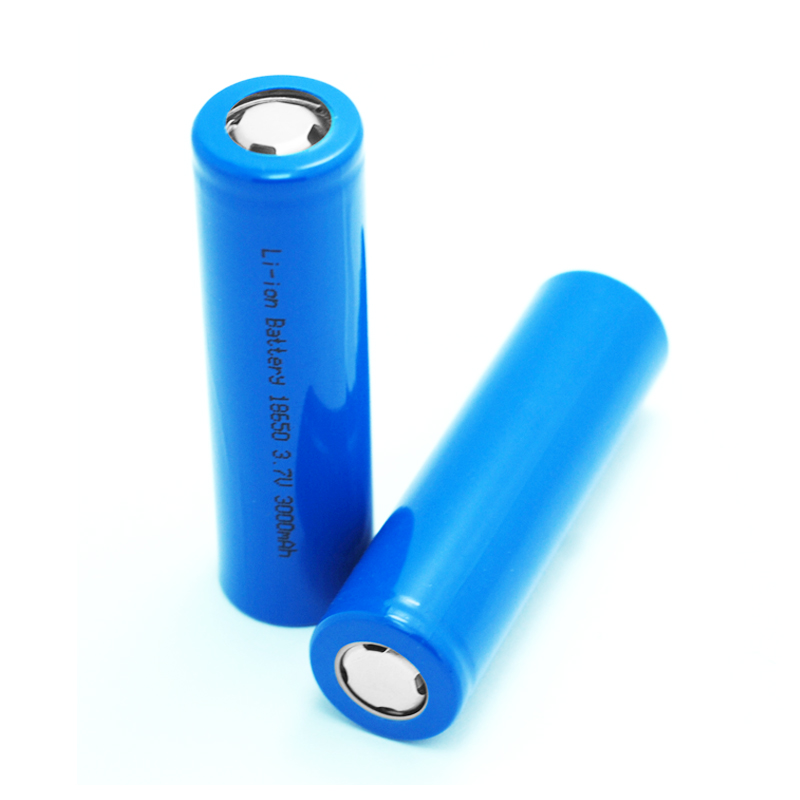
High-drain applications demand more than headline capacity. 18650 batteries with 35A max discharge rate sit at the extreme end of lithium-ion performance, where thermal stability, internal resistance, and cell chemistry matter more than mAh. This page explains how engineers evaluate battery lithium ion 18650 options, what separates truly good 18650 batteries from overrated cells, and when a batterie li ion 18650 rated at 35A actually makes sense.
🔋 What Does “35A Max Discharge Rate” Mean in an 18650 Cell?
A 35A max discharge rate indicates the highest continuous current a cell can safely deliver without exceeding thermal and voltage limits defined by the manufacturer.
Key clarifications:
-
Continuous ≠ pulse rating
-
Real 35A cells are capacity-limited
-
Heat dissipation becomes the dominant constraint
Direct conclusion:
Any 18650 claiming 35A with very high capacity should be questioned immediately.
⚙️ How Are High-Drain 18650 Batteries Designed?
To achieve 35A output, battery lithium ion 18650 cells rely on:
-
Low internal resistance electrodes
-
Optimized cathode formulations
-
Thicker current collectors
Trade-off:
-
Reduced energy density
-
Lower nominal capacity
This is why high-drain cells rarely exceed ~2500mAh.
🔥 Why 35A Capability Matters in Real Applications
High-current stability matters more than runtime in:
-
Power tools
-
High-output LED systems
-
Robotics and industrial controls
-
Custom battery packs
Voltage sag under load is the real enemy.
Good 18650 batteries maintain usable voltage even near their current limits.
🧪 Typical Performance Profile of 35A 18650 Cells
| Parameter | Typical Range |
|---|---|
| Capacity | 2000–2600mAh |
| Nominal Voltage | 3.6–3.7V |
| Continuous Discharge | Up to 35A |
| Internal Resistance | Very low |
| Heat Generation | High (requires management) |
Engineering note:
Thermal design is as important as electrical rating at this level.
🧠 Engineer’s Selection Guide: Choosing a Good 18650 Battery
🔧 When You Need 35A Discharge
Choose cells with:
-
Published test curves
-
Conservative ratings
-
Verified manufacturer datasheets
Avoid cells with vague specs or marketing labels only.
🔋 When 35A Is Overkill
If your system draws:
-
<15A continuous
-
Moderate peak currents
A lower-drain batterie li ion 18650 will:
-
Run cooler
-
Last longer
-
Offer higher capacity
Engineering rule:
Overspecifying current rating often reduces system efficiency.
⚠️ Common Mistakes with High-Drain 18650 Batteries
❌ Confusing pulse current with continuous rating
❌ Assuming higher A rating means better quality
❌ Ignoring heat buildup in enclosed designs
❌ Pairing 35A cells with undersized wiring
❌ Mixing high-drain and energy cells in one pack
Industry reality:
Most cell failures are application mistakes, not cell defects.
❓ FAQ – 18650 Batteries with 35A Discharge
Q1: Are 35A 18650 batteries safe?
Yes, when operated within rated limits and with proper thermal management.
Q2: Do all battery lithium ion 18650 cells support high discharge?
No. Most are optimized for energy, not power.
Q3: Are higher capacity 35A cells real?
Genuine cells trade capacity for current. Be cautious of inflated claims.
Q4: Can I use a 35A cell in low-current devices?
Yes, but it is usually inefficient and unnecessary.
📞 CTA – Source Verified High-Drain 18650 Batteries
Looking for:
-
Authentic 18650 batteries with 35A max discharge rate
-
Transparent test data
-
Consistent batch quality
-
Engineering-level selection support
👉 Contact us to get matched with the right high-drain 18650 cell for your application.
Related Articles
Which 18650 battery brand is the most reliable?
Is the Samsung 18650 Battery 35E Still a Reliable Choice Today?
What certifications should an 18650 battery have?