❓ Are 18650 LiFePO4 Cells the Safest 3.2V Choice?
📌 Abstract
An 18650 LiFePO4 battery trades energy density for stability, thermal tolerance, and cycle life. Unlike NMC or NCA cells, 18650 LiFePO4 3.2 V chemistry is engineered for abuse resistance and long service intervals. This page explains where 18650 LiFePO4 cells outperform conventional lithium-ion, how engineers specify them correctly, and where common design errors occur.
🔋 What Is an 18650 LiFePO4 Cell?
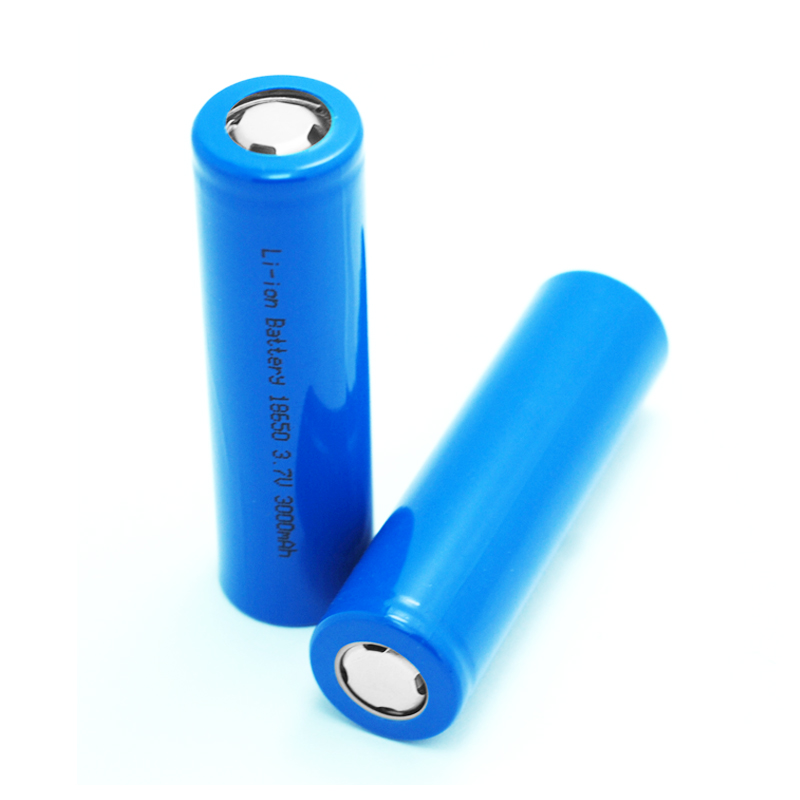
An 18650 LiFePO4 cell uses lithium iron phosphate chemistry in a standard 18×65 mm format.
Key characteristics:
-
Nominal voltage: 3.2 V
-
Flat discharge curve
-
High thermal stability
-
Very low risk of thermal runaway
Direct conclusion:
LiFePO4 is chosen for safety and lifespan, not maximum Wh.
🧪 How Does an 18650 LiFePO4 Battery Perform?
Compared with standard Li-ion:
-
Lower energy density
-
Higher cycle life (2000+ cycles common)
-
Better tolerance to overcharge and heat
-
Lower internal stress during aging
This makes 18650 LiFePO4 cells ideal for stationary and long-duty systems.
⚙️ Typical Applications for 18650 LiFePO4 3.2 V
-
Solar energy storage modules
-
Backup power and UPS systems
-
Industrial instrumentation
-
Low-speed EVs and robotics
They are rarely used where compact size is the primary constraint.
🧠 Engineer’s Selection Advice
Choose an 18650 LiFePO4 battery when:
-
System safety margins are critical
-
Long cycle life reduces maintenance cost
-
Operating temperature is unpredictable
-
Charge rates are conservative and controlled
Avoid mixing LiFePO4 with Li-ion in the same pack.
⚠️ Common Misconceptions
❌ “3.2 V cells are interchangeable with 3.7 V Li-ion”
❌ “LiFePO4 charges the same way as NMC”
❌ “Higher safety means no BMS needed”
❌ “All 18650 LiFePO4 cells have the same capacity”
Engineering reality:
Voltage mismatch is the fastest way to destroy a pack.
❓ FAQ – 18650 LiFePO4 Cells
Q1: Is an 18650 LiFePO4 battery safer than Li-ion?
Yes. Thermal runaway risk is significantly lower.
Q2: Can I replace Li-ion with 18650 LiFePO4 3.2 V?
Only with a redesigned BMS and voltage window.
Q3: Do 18650 LiFePO4 cells last longer?
Yes, especially in partial-depth cycling.
Q4: Are fast chargers compatible?
Only if LiFePO4 charge profiles are supported.
📞 CTA – Specify the Right LiFePO4 Cell
Need help selecting:
-
Authentic 18650 LiFePO4 cells
-
Proper BMS for 3.2 V chemistry
-
Series/parallel configuration
-
Lifecycle-optimized designs
👉 Contact our engineering team for LiFePO4 system guidance.
Related Articles
What Makes a Lithium Cell 18650 Reliable Today?