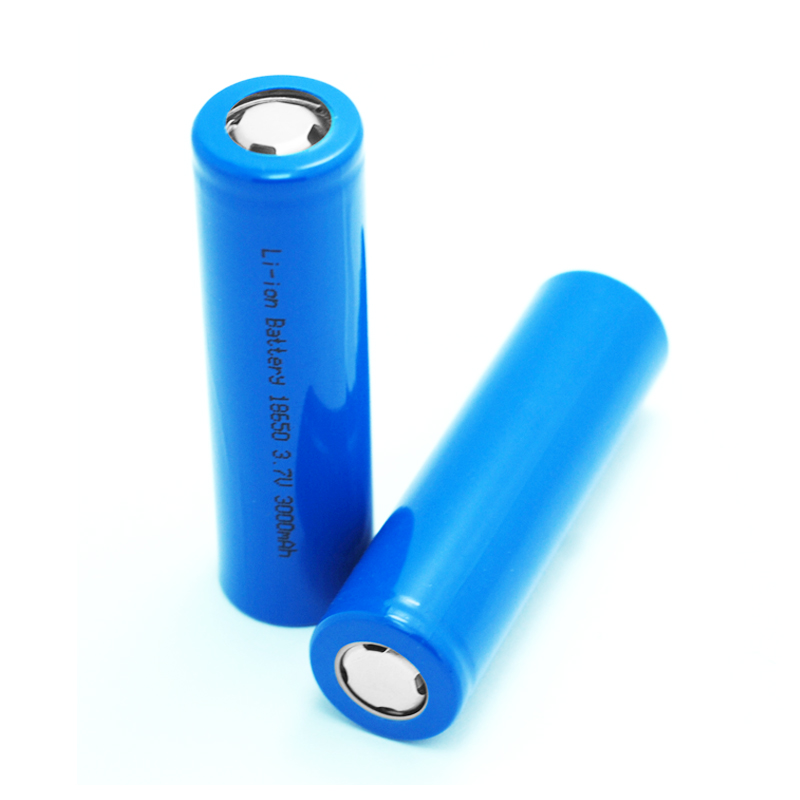
Are Samsung 18650 Batteries Good?
Abstract
🔋 Samsung is one of the few lithium-ion manufacturers that designs, manufactures, and validates 18650 cells at gigawatt-hour scale. Yet the question “Are Samsung 18650 batteries good?” deserves a technical answer, not a brand-driven one. This page evaluates 18650 batteries Samsung produces from an engineering, safety, and lifecycle perspective. It explains where Samsung 18650 cells outperform competitors, where they do not, and how to select the right Samsung 18650 Li-ion battery for real-world applications.
🧩 Who Actually Makes Samsung 18650 Batteries
Samsung 18650 batteries are manufactured by Samsung SDI, not third-party OEMs or rewrappers.
This matters.
Samsung SDI controls:
⚙️ Cathode chemistry formulation
🔬 Internal resistance consistency
🏭 Process automation and yield control
📊 Statistical batch traceability
As a result, 18650 Li-ion batteries of Samsung typically show tighter variance in capacity, impedance, and aging behavior than generic cells sold under secondary brands.
👉 Direct conclusion: Yes, Samsung 18650 batteries are “good” because they are engineered, not repackaged.
🔋 Overview of 18650 Cells Samsung Produces
Samsung does not chase headline numbers. Instead, its 18650 lineup is built around application stability.
Common Samsung 18650 families include:
🔹 Energy-focused cells (higher mAh, moderate discharge)
🔹 Balanced cells (capacity vs current)
🔹 High-drain cells (lower mAh, higher CDR)
These 18650 cells Samsung produces are widely adopted in:
🚲 E-bikes
🔧 Power tools
🔋 Battery packs for medical and industrial devices
🧰 OEM energy storage modules
If you see akku Samsung 18650 in European markets, it refers to the same core Samsung SDI cell portfolio—just localized terminology.
⚡ Performance Under Load — Where Samsung Stands
Performance is not defined by the label, but by the discharge curve.
Samsung 18650 cells are known for:
📉 Predictable voltage sag behavior
🌡️ Conservative thermal rise
🔄 Stable capacity retention over 300+ cycles
They are rarely the absolute highest-drain option in the market, but they consistently outperform unbranded alternatives in sustained load environments.
👉 Engineering reality: Samsung prioritizes reliability over pushing chemistry to its limit.
🔍 Safety and Quality Control
Samsung SDI cells are designed for pack integration, not standalone consumer misuse.
Key safety features include:
🛡️ Internal CID (current interrupt device)
🔥 Controlled venting structure
⚖️ Narrow impedance tolerance
For OEMs, this reduces the burden on external BMS logic. For end users, it means fewer thermal surprises.
This is why 18650 batteries Samsung are widely approved in regulated industries where documentation and traceability are non-negotiable.
🧠 Engineering Selection Advice (Practical, Not Marketing)
If you are evaluating 18650 Li-ion batteries of Samsung, selection should start with load profile, not capacity.
📌 Engineers should verify:
🔹 Continuous current vs nominal CDR
🔹 Peak current duration
🔹 Operating temperature range
🔹 Expected cycle count before 80% SOH
Rule engineers follow:
A Samsung 18650 operated at 60–70% of its rated discharge will outlast a higher-rated cell run at its limit.
⚠️ Common Misconceptions About Samsung 18650 Batteries
🚫 “Samsung cells always have the highest mAh”
→ False. Samsung focuses on usable capacity, not label numbers.
🚫 “All akku Samsung 18650 are high-drain”
→ Samsung produces energy, balanced, and power cells—selection matters.
🚫 “Samsung 18650 cells are overpriced”
→ Cost per cycle is often lower due to reduced failure and longer life.
🚫 “Any seller offering Samsung 18650 is legit”
→ Counterfeit labeling exists. Source matters more than brand name.
❓ FAQ — Samsung 18650 Batteries
Q: Are Samsung 18650 batteries good for high-drain applications?
A: Some models are suitable, but Samsung excels more in balanced and industrial-grade applications than extreme current output.
Q: What does “akku Samsung 18650” mean?
A: It’s the German/EU term for Samsung 18650 lithium-ion batteries.
Q: Are Samsung 18650 Li-ion batteries safe for DIY packs?
A: Electrically yes, but proper BMS design and welding quality are critical.
Q: Do Samsung 18650 cells age well?
A: Yes. They are known for consistent cycle aging and low variance across batches.
📣 Call to Action
Need verified Samsung 18650 cells for OEM or replacement use?
🔋 We supply tested, traceable Samsung SDI 18650 batteries with batch data and application support.
👉 Contact us for datasheets, bulk pricing, and engineering consultation.