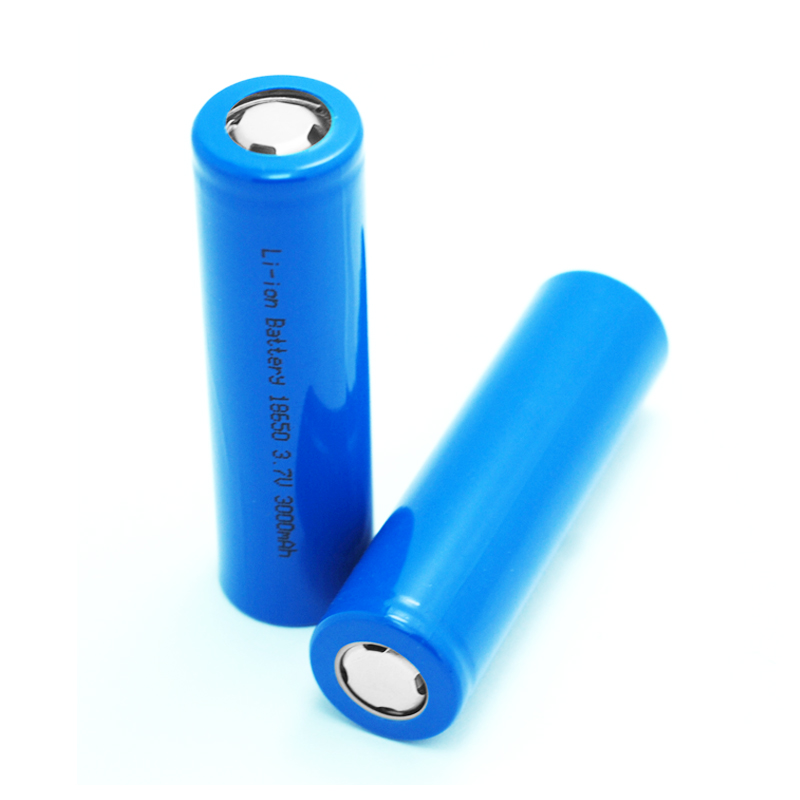
Can 18650 Batteries Be Shipped by Air or Sea?
✈️🚢 Abstract
Yes, 18650 batteries can be shipped by both air and sea, but only under strict regulatory controls. Because an 18650 battery is classified as dangerous goods, transport is governed by UN, IATA, ICAO, and IMDG rules. This page explains how shipping 18650 batteries works in practice, how 18650 SOC limits affect air freight, why 18650 weight and packaging matter, and what engineers and logistics teams must do to stay compliant while minimizing risk.
⚠️ Why 18650 Batteries Are Classified as Dangerous
An 18650 battery is dangerous not because it’s unstable by default, but because it stores high energy in a compact steel can.
Key risk factors:
-
High short-circuit current
-
Flammable electrolyte
-
Thermal runaway propagation
-
Pressure venting under abuse
Conclusion first:
👉 Transport risk is highest when cells are loose, fully charged, or poorly packaged.
✈️ Shipping 18650 Batteries by Air
📋 Regulatory Framework
Air shipment follows:
-
UN 3480 / UN 3481
-
IATA Dangerous Goods Regulations (DGR)
-
ICAO Technical Instructions
Airlines enforce these rules aggressively because lithium incidents escalate fast in aircraft cargo holds.
🔋 State of Charge (SOC) Limits
For air freight:
-
18650 SOC must not exceed 30% for UN3480 (cells only)
-
Applies regardless of capacity or chemistry
This is non-negotiable. SOC reduction directly limits heat generation during failure.
📦 Packaging Requirements
Air shipment requires:
-
Individual cell insulation
-
No cell-to-cell contact
-
UN-tested outer cartons
-
Lithium battery handling labels
Even a small packaging error can result in cargo rejection.
⚖️ Role of 18650 Weight
A single 18650 weighs ~45 g, but risk is cumulative.
High total 18650 weight per carton increases:
-
Fire load
-
Heat release rate
-
Airline rejection probability
Engineers often split shipments to reduce per-package energy density.
🚢 Shipping 18650 Batteries by Sea
🌊 Why Sea Freight Is More Flexible
Sea transport follows the IMDG Code. Compared to air:
-
No mandatory 30% SOC limit
-
Higher quantity allowances
-
Lower cost per kg
However, 18650 batteries are still dangerous goods, even by sea.
📦 Sea Freight Still Requires Compliance
Required controls include:
-
UN-certified packaging
-
Moisture protection
-
Proper segregation
-
Dangerous goods declaration
Most maritime lithium incidents come from container consolidation errors, not cell failure.
🔍 Shipping Cells vs Battery Packs
🔋 Loose Cells (UN3480)
Highest risk category:
-
No enclosure
-
No BMS
-
Strictest SOC and packaging rules
🔌 Batteries Packed With Equipment (UN3481)
Lower relative risk:
-
Mechanical protection
-
Reduced movement
-
Often easier airline acceptance
From a logistics standpoint, integrated packs ship more smoothly than loose 18650 cells.
🧠 Engineer’s View: How to Ship 18650 Batteries Safely
Real-world best practices:
-
Ship at lowest practical SOC
-
Avoid mixed-capacity or mixed-brand cartons
-
Design trays that physically isolate cells
-
Match packaging thermal resistance to shipment duration
Direct conclusion:
👉 Shipping safety is a system problem, not a cell problem.
🛠️ Selection Advice for Shipping Projects
When planning logistics:
-
Choose cells with consistent impedance
-
Avoid ultra-high capacity variants for air freight
-
Factor 18650 weight into DG cost modeling
-
Align pack design with shipping mode early
Engineering teams that ignore logistics constraints pay later.
❌ Common Mistakes in Shipping 18650 Batteries
-
Assuming “small cells = low risk”
-
Shipping at full charge to save time
-
Mixing compliant and non-compliant cells
-
Using consumer packaging for bulk freight
Most shipment failures are procedural, not technical.
❓ FAQ: Shipping 18650 Batteries
Q: Can 18650 batteries be shipped by air legally?
A: Yes, if SOC, packaging, labeling, and documentation are compliant.
Q: Is sea freight safer for 18650 batteries?
A: Statistically safer, but still regulated as dangerous goods.
Q: Does 18650 weight affect shipping approval?
A: Indirectly—higher weight increases fire load and scrutiny.
Q: Are battery packs easier to ship than loose cells?
A: Almost always, especially by air.
📣 CTA: Need Help Shipping 18650 Batteries Worldwide?
We support compliant shipping of 18650 cells and packs, including SOC preparation, UN packaging, and dangerous goods documentation—so your batteries move safely and legally.
Related Articles
What BMS Is Required for an 18650 Battery Pack?
How Many 18650 Cells Are Needed to Build a 12V Battery Pack?