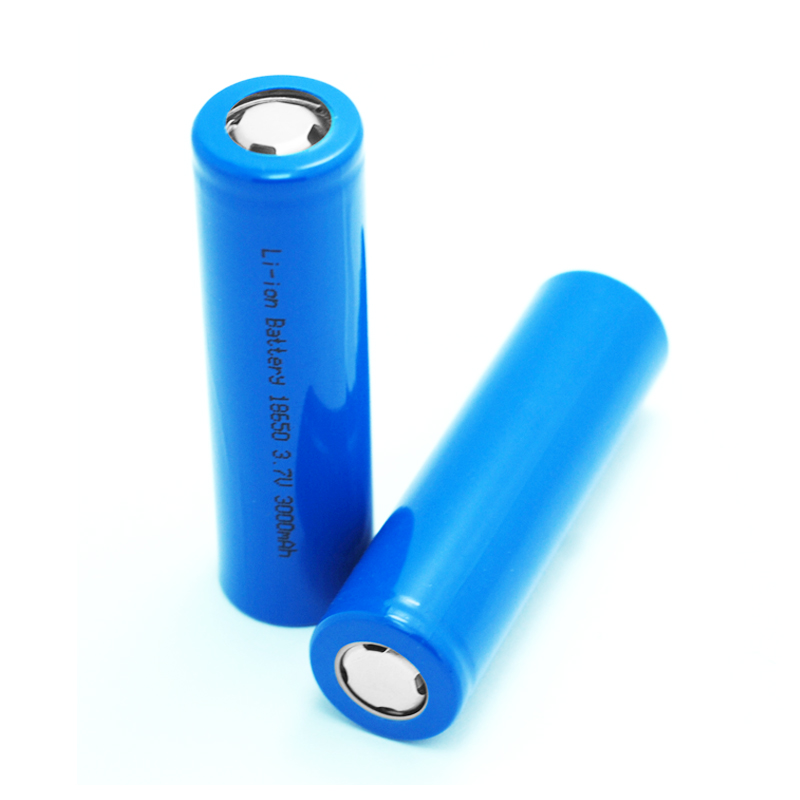
Can Different Brands of 18650 Batteries Be Mixed?
🔋 Abstract
Mixing different 18650 battery brands in one device or battery pack is one of the most common causes of premature failure and safety incidents. While cells may share the same size and nominal voltage, internal behavior varies significantly by manufacturer, chemistry, and production batch. This page explains whether different brands of 18650 batteries can be mixed, why engineers usually avoid it, and how brand differences affect real-world performance—regardless of claims about the best 18650 battery brand or a good 18650 battery brand.
⚡ Short Answer from an Engineering Standpoint
👉 Mixing different brands of 18650 batteries is strongly discouraged in series or parallel packs.
It may work temporarily. It will not age evenly. Problems appear quietly—then all at once.
🔍 Why Brand Differences Matter in 18650 Cells
Even when two cells list identical specs, they differ internally:
-
Electrode formulation
-
Capacity tolerance window
-
Internal resistance (IR)
-
Aging profile
-
Formation protocol
These differences directly affect current sharing and voltage behavior.
🔄 Mixing Brands in Parallel Configurations
In parallel groups, cells self-equalize by voltage—but not by current.
What happens:
-
Lower-IR cells supply more current
-
Higher-IR cells lag and heat unevenly
-
Capacity imbalance grows over time
Parallel does not mean equal.
🔌 Mixing Brands in Series Configurations
Series is where mixing becomes dangerous.
Effects include:
-
Uneven charge cutoff
-
Early over-discharge of weaker cells
-
BMS tripping based on the worst cell
A series string behaves like its weakest link.
Direct conclusion:
👉 Never mix brands in series unless cells are electrically matched—not just labeled the same.
🧪 Why “Best Brand” Doesn’t Solve the Problem
Using the best brand of 18650 battery alongside a lower-tier cell does not average performance upward.
Instead:
-
The better cell is forced to operate outside its ideal range
-
The weaker cell ages faster
-
Pack lifespan collapses to the lowest standard
There is no benefit to mixing—even with a good 18650 battery brand.
🧠 Engineer’s Selection Advice
From a pack design perspective:
-
Use cells from one brand, one model, one batch
-
Match capacity and internal resistance before assembly
-
Avoid mixing chemistries (NCM, NCA, LFP)
-
Replace entire sets, not individual cells
-
Trust test data over brand reputation
Consistency matters more than brand ranking.
⚠️ Common Misconceptions About Mixing 18650 Brands
-
“Same voltage means compatibility” ❌
-
“Parallel packs can mix safely” ❌
-
“Higher-quality cells compensate for cheaper ones” ❌
-
“A BMS will fix mismatch” ❌
A BMS limits damage; it does not prevent imbalance.
❓ FAQ: Mixing 18650 Battery Brands
Q: Can I mix different 18650 battery brands in a flashlight?
A: Single-cell devices may tolerate it, but it’s still not recommended.
Q: What if capacities are the same?
A: Capacity rating alone does not reflect internal resistance or aging behavior.
Q: Is mixing okay for temporary testing?
A: Only under controlled conditions and low current.
Q: How do professionals handle replacements?
A: By replacing the entire parallel or series group, not one cell.
📦 CTA: Need Consistent, Matched 18650 Cells?
If you’re building or sourcing 18650 battery packs and need matched cells from a reliable, good 18650 battery brand, our engineering team can help with selection, grading, and pack-level validation—before problems appear in the field.
Related Articles
What is the recycling process for 18650 batteries?
How to Build a Safe and Efficient 18650 DIY Power Bank?