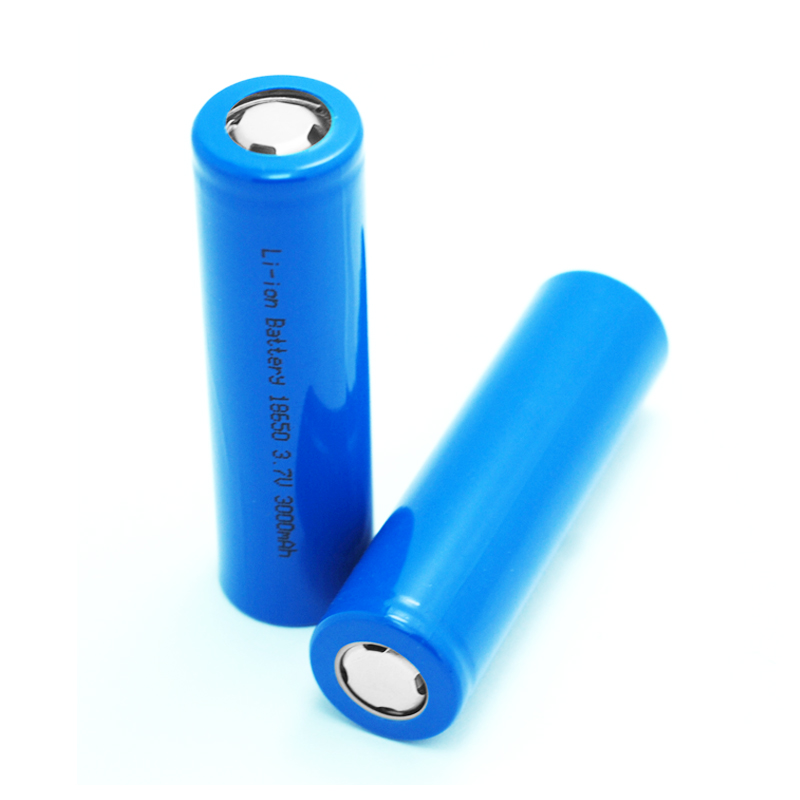
Can I Charge an 18650 Battery with an AA Charger?
🔋 Abstract
Many users wonder whether a 18650 battery, a 3.7V lithium-ion rechargeable cell, can be charged using a standard AA charger. While AA and 18650 batteries look similar in shape, they differ significantly in size, chemistry, voltage, and charging requirements. Misusing chargers can cause battery damage, fire hazards, or reduced lifespan. This article explains the key differences between 18650 vs AA batteries, why charging with an AA charger is unsafe, engineer selection tips, common misconceptions, FAQs, and safe alternatives for charging your 18650 cells.
⚡ Comparing 18650 and AA Batteries
| Feature | AA Battery | 18650 Battery | Key Difference |
|---|---|---|---|
| Size | 14.5mm × 50.5mm | 18mm × 65mm | 18650 is larger |
| Voltage | 1.2–1.5V (NiMH/NiCd/Alkaline) | 3.6–3.7V (Li-ion) | 18650 voltage is ~3× higher |
| Chemistry | Alkaline, NiMH, NiCd | Lithium-ion | Different charging protocols |
| Rechargeable | Some types (NiMH/NiCd) | Yes | 18650 requires dedicated Li-ion charger |
| Capacity | 600–2500mAh | 1500–3500mAh | 18650 holds more energy |
💡 Key takeaway: AA chargers are designed for 1.2–1.5V cells, not for 3.7V Li-ion 18650 cells.
❌ Why You Shouldn’t Use an AA Charger
-
Voltage Mismatch
-
AA chargers output 1.2–1.5V, far below the 3.7V nominal voltage of 18650 cells.
-
Using an AA charger won’t charge fully and can damage the battery over time.
-
-
Current Control Issues
-
Lithium-ion cells require constant current/constant voltage (CC/CV) charging.
-
AA chargers provide NiMH or alkaline charging currents, which are unsafe for Li-ion chemistry.
-
-
Safety Hazards
-
Overcharging, undercharging, or using improper chargers can lead to thermal runaway, fire, or permanent capacity loss.
-
⚡ Engineer’s Selection Tips
-
Use Dedicated Li-ion Chargers
-
Chargers like Nitecore, XTAR, or Efest are optimized for 18650 voltage and capacity.
-
Look for overcharge and temperature protection.
-
-
Match Battery Chemistry
-
Never charge a Li-ion 18650 with NiMH/AA chargers.
-
Check battery datasheet for max charge voltage (typically 4.2V).
-
-
Check Physical Fit and Protection
-
Some protected 18650 batteries are slightly longer due to PCB protection. Ensure charger slots accommodate the battery.
-
❌ Common Misconceptions
-
❌ “AA and 18650 batteries are interchangeable” → They are physically similar but chemically and electrically different.
-
❌ “A slow AA charger will charge any battery” → Low voltage won’t safely charge Li-ion cells.
-
❌ “Protected 18650s can be charged with any charger” → Protection only guards against overcharge/discharge, not improper charger type.
❓ FAQs
❓ Can I charge an 18650 with a USB AA charger?
No. USB AA chargers usually provide 5V via USB, which is not CC/CV regulated for 18650 cells.
❓ What is a safe charge rate for 18650 batteries?
Standard 1C rate is safe for most 18650 batteries. For a 2500mAh cell, 2.5A max charge current.
❓ Can AA chargers detect 18650 batteries?
No. AA chargers lack the voltage and chemistry detection for Li-ion cells.
❓ Can multiple AA batteries in series replace an 18650?
Voltage may match with enough cells, but charging and capacity differences make this unsafe.
✅ Safe Charging Alternatives
-
Dedicated 18650 chargers with LED indicators
-
Multi-slot chargers for bulk 18650 packs
-
Battery management system (BMS) for DIY packs
💡 Pro Tip: Using a proper charger ensures full capacity, longer cycle life, and safety.
🔋 CTA – Source Genuine 18650 Batteries
CHAWM supplies authentic, high-quality 3.7V 18650 rechargeable batteries for all applications. Whether you are building a DIY battery pack, flashlight, or vape mod, we provide bulk and retail options. Ensure safety and performance by purchasing genuine 18650 cells from CHAWM today.
👉 Contact us to buy verified 18650 batteries and compatible chargers.
Related Articles
Is the Sony VTC6 Good for Vaping?
What Are the Disadvantages of 18650 Batteries?
What Is the Maximum Charge Current of Samsung 35E?
How to Change the Battery in the Tapo SolarCam C403?
Why is My Lithium Battery Showing 0V?
What is the 80/20 Rule for Lithium Batteries?