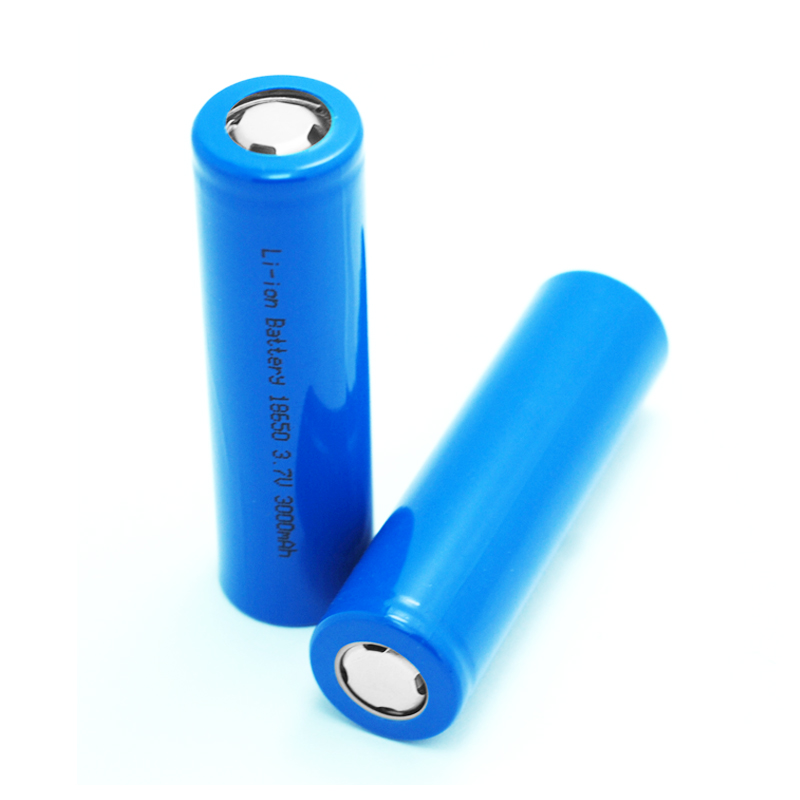
How do manufacturers grade A and B 18650 cells?
🔋 Abstract
Manufacturers do not label A-grade and B-grade 18650 cells casually. The grading process is built on electrochemical consistency, statistical yield control, and downstream application risk. This page explains how accu 18650 and other 18650 batterys are graded, what actually separates Grade A from Grade B, and why reputable OEMs rarely disclose B cells for high-load or long-cycle systems. Conclusions are stated where the industry is already aligned.
🏭 What “grading” means in 18650 cell manufacturing
In a modern battery li ion 18650 3.7 v production line, grading is not cosmetic. It is a post-formation data filter applied after aging.
Cells are evaluated as part of a batch, not individually in isolation. The goal is to control pack-level failure probability, not to chase perfect cells.
Key point: grading is statistical, not subjective.
🧪 Core parameters used to grade 18650 cells
⚡ Capacity consistency
Manufacturers measure nominal and actual discharge capacity at defined C-rates (usually 0.2C–0.5C).
-
Grade A: capacity deviation typically within ±2–3% of batch mean
-
Grade B: outside that window but still functional
Cells with unstable curves are scrapped, not downgraded.
📈 Internal resistance (IR / AC impedance)
IR is one of the strongest predictors of heat rise and cycle fade.
-
Grade A accu 18650 cells show tight IR clustering
-
Grade B cells exhibit wider dispersion, not necessarily high IR
Direct conclusion: IR spread matters more than absolute IR for packs.
🔁 Charge–discharge curve shape
Engineers inspect voltage plateau behavior during formation cycling.
Red flags include:
-
early voltage sag
-
abnormal knee points
-
inconsistent plateau length
Cells with curve anomalies are rarely accepted as Grade A, even if capacity looks fine.
🌡️ Self-discharge rate
Cells are rested for 7–28 days after formation.
-
Grade A: minimal OCV drop
-
Grade B: higher micro-leakage or side reactions
This is critical for li 18650 battery use in low-standby systems.
🧱 What Grade B really means (and what it doesn’t)
❌ Common misconception
Grade B = unsafe or defective
This is false.
Grade B usually means:
-
out-of-band consistency
-
cosmetic issues (sleeve, minor can marks)
-
yield optimization
However, Grade B cells are not interchangeable with Grade A in multi-cell packs.
🔌 Why manufacturers rarely sell Grade B under their brand
Tier-1 factories protect brand liability.
Selling Grade B 18650 batterys:
-
increases pack imbalance risk
-
complicates warranty claims
-
damages OEM trust
As a result, Grade B cells often enter the market via rebranding or secondary channels.
🧠 Engineer’s selection advice (practical, not theoretical)
🛠️ When Grade A is mandatory
Choose Grade A accu 18650 cells for:
-
series strings ≥4S
-
1C continuous discharge
-
energy storage systems
-
medical, mobility, or backup power
Direct conclusion: parallel count does not compensate for inconsistency.
🔧 When Grade B may be acceptable
Grade B li 18650 battery cells can work for:
-
single-cell devices
-
low-current flashlights
-
disposable or short-life products
Only if IR and capacity are binned again at pack level.
⚠️ Common grading-related mistakes
🚫 Mixing grades in one pack
This accelerates imbalance and thermal stress.
🚫 Judging by capacity only
Capacity without IR context is meaningless.
🚫 Ignoring aging data
Fresh test results do not replace post-aging stability.
📊 FAQ
❓ Are all 18650 batterys labeled Grade A truly A-grade?
No. Many are A-grade by reseller definition, not by factory yield criteria.
❓ Can Grade B cells become Grade A after re-testing?
No. Grading reflects statistical position within the original batch, not absolute performance.
❓ Does Grade B affect safety?
Not directly. Safety depends on cell integrity and protection, not grade.
❓ Is price the best indicator?
Price signals risk allocation, not quality alone.
📞 CTA – sourcing advice
If you are specifying battery li ion 18650 3.7 v cells for OEM or pack assembly, request:
-
formation data range
-
IR histogram
-
aging protocol
-
batch traceability
This matters more than the grade label itself.
👉 Contact us for engineering-level cell selection support and verified accu 18650 sourcing.
Related Articles
How do manufacturers grade A and B 18650 cells?
What causes capacity variation between batches?
Can 18650 batteries be customized for voltage or capacity?
What documentation should be included with bulk 18650 shipments?