❓ How to Build a Safe and Efficient 18650 DIY Power Bank?
📌 Abstract
Building a 18650 DIY power bank requires careful selection of cells, holders, and protective circuits. Using the right 18650 battery box shell power bank and 18650 battery holder power bank ensures high performance, safety, and long cycle life. This guide covers We Power Bank DIY 18650 techniques, engineering insights, common mistakes, and FAQs for creating reliable portable energy solutions.
🔋 Understanding 18650 DIY Power Banks
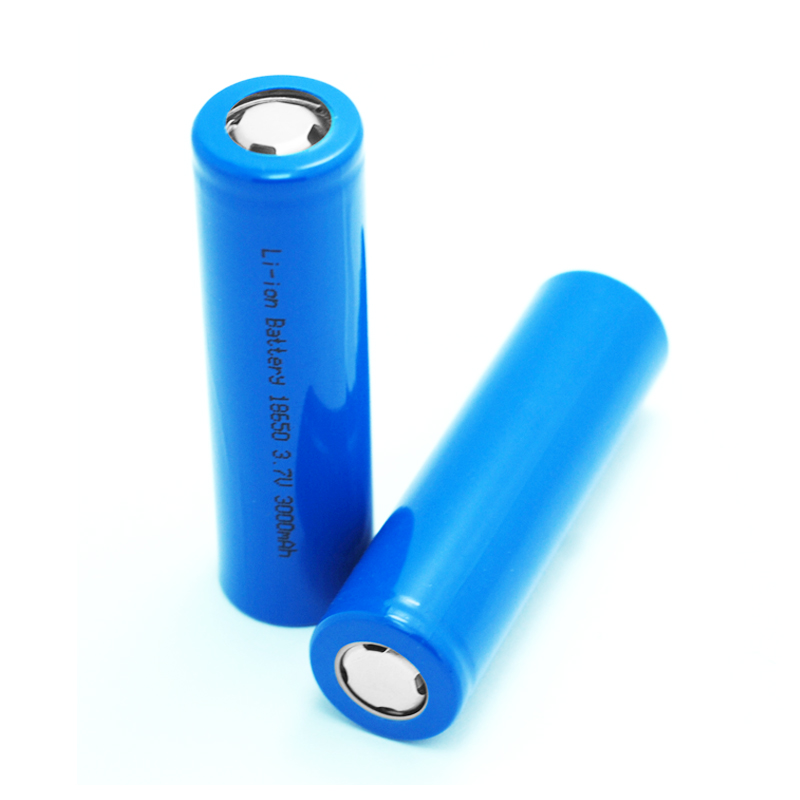
A 18650 DIY power bank is a portable battery pack assembled using cylindrical Li-ion cells (typically 18×65 mm). Key components include:
-
18650 cells (INR/IMR types recommended for safety and high current)
-
Battery holders or PCBs for secure connection
-
Power management module with overcharge, over-discharge, and short-circuit protection
Direct conclusion:
Choosing quality cells and proper holders is more critical than the total mAh advertised.
⚙️ Selecting Cells for DIY 18650 Power Banks
-
Recommended capacity: 2000–3500mAh per cell
-
Continuous discharge: 5–10A is typical; high-drain mods or USB-C PD outputs may require 15A+
-
Cell chemistry: LiNiMnCoO₂ (INR) or LiMn₂O₄ (IMR)
-
Brand considerations: Samsung, LG, Sony, Molicel provide reliable cycle life and low internal resistance
Engineer insight:
Overestimating capacity or using unknown brands leads to overheating and uneven cell wear.
🧰 Choosing Battery Holders and Shells
-
18650 battery holder power bank: Provides secure contact and ease of assembly
-
18650 battery box shell power bank: Protects cells, accommodates BMS modules, and ensures insulation
-
Stacking options: Series for higher voltage (5V+ for USB), parallel for higher capacity
Tip:
Avoid stacking unmatched cells; always use cells from the same batch and manufacturer.
⚡ We Power Bank DIY 18650 Assembly Guide
-
Select cells matching capacity and age.
-
Place cells in battery holders with proper polarity.
-
Connect to BMS module for protection (overcharge, over-discharge, overcurrent).
-
Install assembly in battery box shell ensuring insulation and heat dissipation.
-
Test output voltage and current using a multimeter before connecting devices.
Direct conclusion:
The BMS module is not optional; it prevents catastrophic failures.
🧠 Engineer’s Selection Advice
-
Output voltage: Ensure 5V USB output; step-up/step-down converters may be needed
-
BMS rating: Must match total pack current (continuous and peak)
-
Thermal management: Use vented shells or spacing to avoid overheating
-
Cell matching: Internal resistance within 5mΩ difference across cells is ideal
Neglecting any of these factors reduces efficiency and may damage devices or cells.
⚠️ Common Misconceptions
❌ “Any 18650 cell can be used safely in a power bank”
❌ “Battery holders are optional; soldering directly is fine”
❌ “DIY power banks do not need a BMS if cells are new”
❌ “Higher capacity cells always mean faster charging”
❌ “Series and parallel connections can be mixed randomly”
❓ FAQ – 18650 DIY Power Bank
Q1: Can I use 3500mAh high-capacity cells for faster charging?
Only if the BMS and wiring can handle the peak current safely.
Q2: How many 18650 cells are needed for a 10,000mAh pack?
Depends on the pack configuration; e.g., 3S2P using 3.6V nominal cells ≈ 6 cells.
Q3: Are battery box shells necessary?
Yes, they protect cells from shorts, impact, and moisture.
Q4: How do I ensure balanced charging?
Use a BMS with cell-balancing feature; avoid mismatched cell batches.
📞 CTA – Expert DIY Power Bank Support
Looking for:
-
High-quality 18650 battery box shell power bank
-
Reliable 18650 battery holder power bank
-
Guidance for We Power Bank DIY 18650
-
Safe, engineer-approved assembly instructions
👉 Contact us for professional DIY 18650 power bank advice and sourcing.
Related Articles
How Do You Calculate Runtime for an 18650 Battery Pack?
What Is the Best Thermal Management Method for 18650 Packs?
How do you prevent overcurrent in 18650 battery systems?
What Failure Modes Should Be Considered in 18650 Pack Design?