How to Charge 18650 Battery?
Introduction
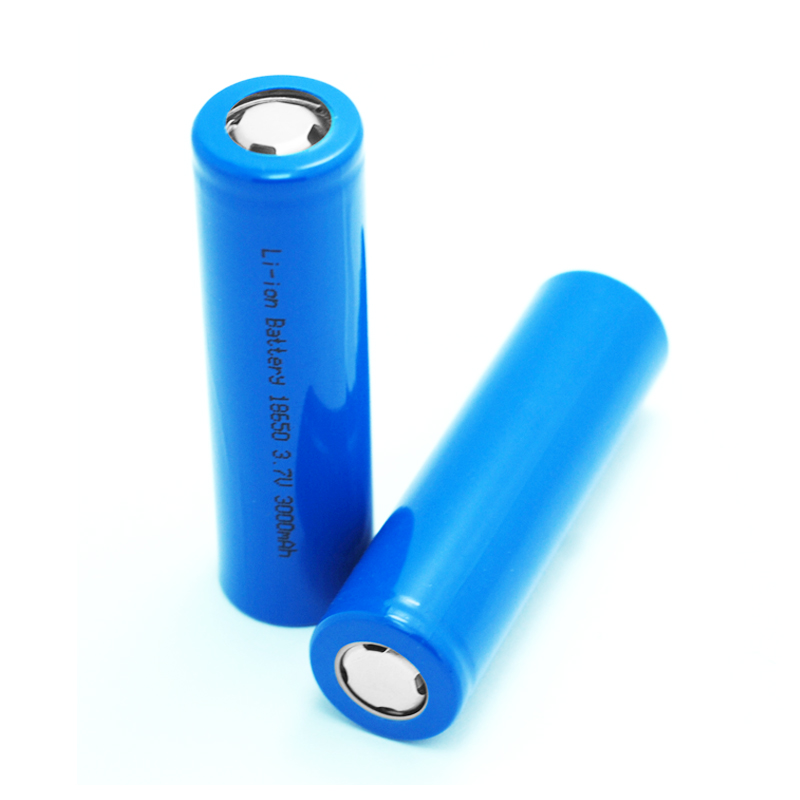
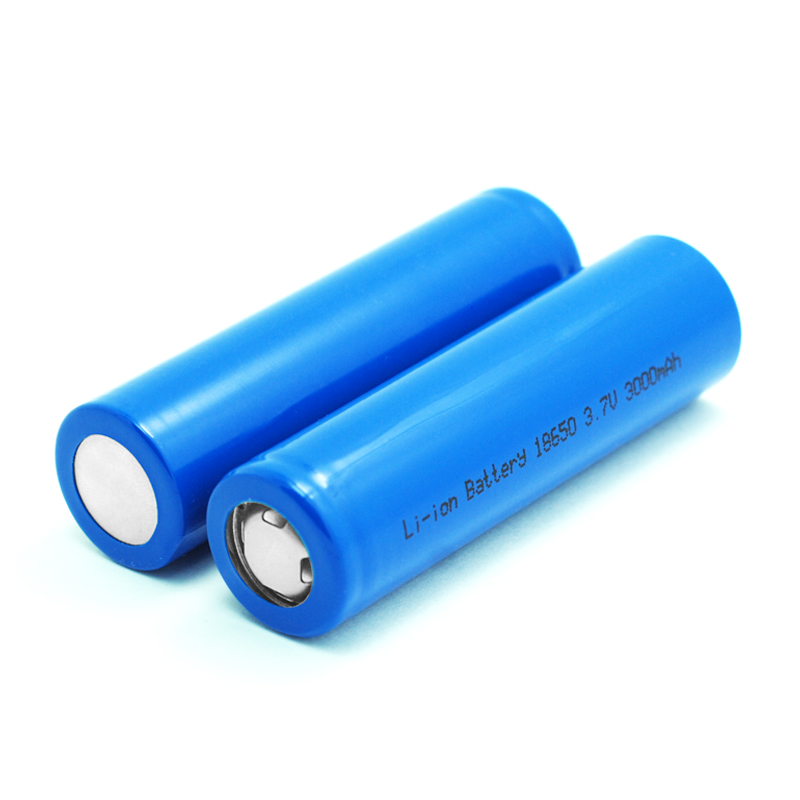
The 18650 battery is a widely used rechargeable lithium-ion battery found in flashlights, laptops, vaping devices, power tools, and electric vehicles. Proper charging is essential to maximize battery life, performance, and safety. In this guide, we’ll explore how to charge 18650 batteries correctly, recommended chargers, and essential safety tips.
Best Ways to Charge an 18650 Battery
Charging an 18650 battery requires the right charger and method to prevent overheating, overcharging, or damage. Here are the best ways to charge an 18650 lithium-ion battery:
1. Using a Dedicated 18650 Battery Charger (Recommended)
A high-quality lithium-ion charger ensures safe and efficient charging. Follow these steps:
-
Insert the 18650 battery into the charger, aligning the positive (+) and negative (-) terminals correctly.
-
Allow the battery to charge fully (typically 4.2V for most 18650 cells).
-
Once charged, remove the battery to avoid overcharging.
Recommended 18650 Battery Chargers:
-
Nitecore D4 – Supports multiple battery types with smart charging features.
-
XTAR VC4 – USB-powered with LCD display for charge status.
-
Opus BT-C3100 – Advanced charging control with battery health monitoring.
2. Charging 18650 Batteries with a Device
Some devices, such as vape mods, flashlights, and laptops, support internal charging through a USB-C or micro-USB port. To charge:
-
Connect the device to a USB power source using a compatible cable.
-
Ensure the device supports built-in battery management to prevent overcharging.
-
Monitor charging progress and avoid leaving the device plugged in overnight.
How Long Does It Take to Charge an 18650 Battery?
The charging time depends on the charger output and battery capacity. Typically:
-
1A Charger: 4-6 hours for a standard 18650 3000mAh battery.
-
2A Charger: 2-3 hours for faster charging.
-
Fast Chargers (≥3A): Less than 2 hours but may reduce battery lifespan.
Safety Tips for Charging 18650 Batteries
To ensure safe charging and extend battery lifespan, follow these precautions:
-
Use a quality charger with overcharge protection.
-
Avoid overcharging – Remove the battery once fully charged (4.2V max).
-
Charge at room temperature – Avoid extreme heat or cold.
-
Do not use damaged batteries – Swollen or leaking batteries should be disposed of properly.
-
Store batteries safely – Keep away from metal objects to prevent short circuits.
Common Mistakes to Avoid When Charging 18650 Batteries
-
Using cheap or unregulated chargers – Low-quality chargers can overheat or overcharge.
-
Mixing different battery brands or charge levels – Can lead to imbalanced charging.
-
Leaving batteries unattended while charging – Reduces the risk of overheating or fire.
-
Charging at high current for long periods – Shortens battery lifespan.
Conclusion
Knowing how to charge 18650 batteries properly ensures longer lifespan, better performance, and safety. Always use a dedicated charger, avoid overcharging, and follow safe charging practices. Whether using an external charger or a built-in device charging port, following these guidelines will keep your 18650 lithium-ion batteries in optimal condition for years to come.
Related Articles
How Long Do 18650 Batteries Last?