How to Charge 2S 18650
Abstract
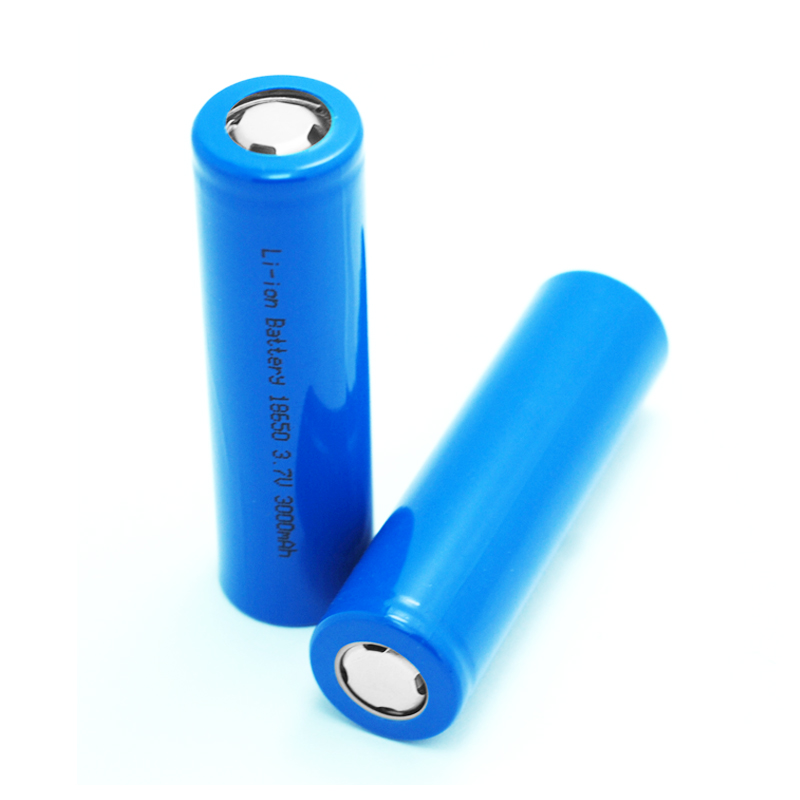
🔋 Charging a 2S 18650 pack requires more than connecting a charger—understanding cell balancing, voltage limits, and 2S 18650 BMS operation is critical for safety and longevity. A 2S 18650 configuration (2S1P) combines two 18650 cells in series, doubling voltage while maintaining capacity. This guide explains safe charging methods, technical specifications, engineering best practices, common mistakes, and selection advice for reliable operation of 2S 18650 packs.
🔍 Understanding the 2S 18650 Configuration
A 2S 18650 pack is configured as:
📌 2S1P – Two cells in series, one in parallel
⚡ Nominal voltage: 7.2–7.4V (3.6–3.7V per cell)
🔌 Max charge voltage: 8.4V (4.2V per cell)
Series connection increases voltage, while maintaining the same mAh capacity as a single cell. Engineers must ensure voltage and current are within safe limits during charging, especially when integrating 2S 18650 BMS for balancing.
⚡ Charging Methods for 2S 18650 Packs
1. Standard CC-CV (Constant Current–Constant Voltage)
Most widely used for 2S 18650 packs:
🔹 Constant Current phase charges at rated current until 8.4V
🔹 Constant Voltage phase holds 8.4V while current tapers
✅ Advantages: Safe, compatible with most Li-ion chargers
⚠️ Limit: Without a 2S 18650 BMS, cells may drift in voltage and overcharge.
2. Balance Charging with BMS
A 2S 18650 BMS ensures:
📊 Voltage of each cell stays within 4.2V
🔄 Balances cells during charge
🔥 Provides over-voltage and over-current protection
Engineers recommend always using a balance charger for series packs longer than 1S. Without it, cell mismatch can reduce pack life and introduce safety hazards.
3. Charger Selection Tips
🔹 Ensure charger supports 7.4–8.4V Li-ion packs
🔹 Use CC-CV profiles
🔹 Verify current rating ≤ 1C of pack capacity
🌡️ Thermal Management While Charging
Monitoring temperature is essential:
🔥 Keep pack below 45°C during charge
📉 Avoid high current if pack exceeds 40°C
🛠️ Use BMS thermal feedback if available
Temperature spikes indicate overcurrent or cell imbalance.
🧠 Engineering Selection Advice for 2S 18650 Packs
When building or buying a 2S 18650 pack:
📌 Choose cells with similar age, capacity, and internal resistance
📌 Ensure 2S 18650 BMS supports both voltage and current of your load
📌 Factor in worst-case ambient temperature
📌 Plan for charge/discharge cycles—prefer BMS with over-discharge protection
Direct conclusion: Proper selection and integration of BMS ensures pack longevity and safety.
⚠️ Common Misconceptions About 2S 18650 Charging
🚫 “Any Li-ion charger works for 2S 18650”
→ False. Must match series voltage and CC-CV profile.
🚫 “Cells will naturally balance during charge”
→ Only with BMS; otherwise, voltage drift occurs.
🚫 “Higher current charges faster without risk”
→ Overcurrent reduces cycle life and risks thermal runaway.
🚫 “Parallel packs need no BMS”
→ Even 2S1P packs benefit from protection and balancing.
❓ FAQ — 2S 18650 Charging
Q: Can I charge a 2S 18650 pack without a BMS?
A: Technically yes, but it risks overcharging, cell imbalance, and reduced life.
Q: What is the max charge voltage for 2S 18650?
A: 8.4V total, or 4.2V per cell.
Q: How fast should I charge a 2S 18650 pack?
A: ≤1C recommended for standard cells. High-current charging is possible only with rated high-drain cells.
Q: How do I know if cells are balanced?
A: Measure voltage of each cell; difference >0.05V indicates imbalance.
📣 Call to Action
Building or maintaining 2S 18650 packs?
🔋 We provide certified 2S 18650 batteries with BMS, technical datasheets, and engineering support to ensure safe charging and optimal performance.
👉 Contact us for pack recommendations or custom BMS integration.