How to Charge a 2600mAh Battery?
🔋 Abstract
Charging a 2600mAh 18650 battery properly is critical for safety, longevity, and optimal performance. Missteps in voltage, current, or method can damage the cell, reduce capacity, or create hazards. This guide explains how to safely charge a 2600mAh 18650 battery 3.7V rechargeable, covering current recommendations, charger selection, cell balancing, and engineering-level considerations, with FAQs, common misconceptions, and practical tips for hobbyists and professionals alike.
⚡ Understanding Your 2600mAh 18650 Battery
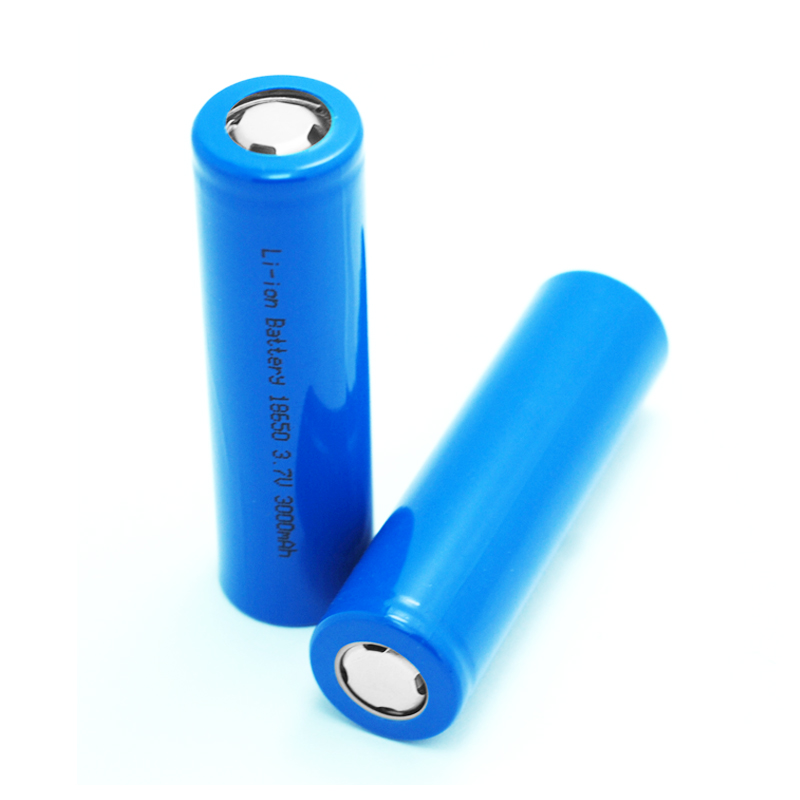
A typical 18650 battery 2600mAh has:
-
Nominal voltage: 3.6–3.7 V
-
Full charge voltage: 4.2 V
-
Cutoff voltage: 2.5–3.0 V
-
Capacity: 2600 mAh (~9.6 Wh)
📌 Direct conclusion: Always use a charger compatible with 3.7V lithium-ion cells, not NiMH or lead-acid chargers.
🔧 Icon reference:
Figure 1: Standard 18650 battery parameters
🔌 Recommended Charging Method
1. Constant Current / Constant Voltage (CC/CV)
This is the standard charging profile for 2600mAh 18650:
-
Phase 1 (CC):
-
Current: 0.5C–1C (for 2600mAh → 1.3–2.6 A)
-
Voltage rises from ~3.0V to 4.2V
-
-
Phase 2 (CV):
-
Voltage: constant 4.2 V
-
Current gradually decreases until ~0.05C (≈130 mA)
-
🔧 Direct conclusion: Charging above 4.2V or at excessive current shortens battery life.
2. Charger Selection
Choose a charger that supports:
-
3.7 V Li-ion 18650
-
CC/CV profile
-
Automatic cutoff
-
Optional: cell balancing for multi-cell packs
📌 Popular examples: Nitecore Intellicharger, XTAR VC4, or equivalent engineering-grade chargers.
🌡️ Thermal Considerations
-
Keep battery under 45°C during charging.
-
Avoid charging in direct sunlight or inside enclosed plastic containers.
-
A slight warmth is normal, excessive heat signals overcurrent or damaged cell.
🔧 Icon reference:
Figure 2: Safe temperature range during charging
🧠 Engineer Selection Advice
-
For long-life: 0.5C charging current is optimal (~1.3 A)
-
High-drain devices may need 1C fast charge, but only with quality cells
-
For multiple 2600mAh 18650 cells: consider BMS (Battery Management System) for balancing
🔧 Direct conclusion: Engineers often design systems for slightly slower charging to maximize cycle life.
⚠️ Common Misconceptions
❌ “Any 1A charger is fine for all 18650 cells” → Different chemistries and capacities require specific currents.
❌ “Charging above 4.2V is faster and safe” → Overvoltage can lead to thermal runaway.
❌ “Once it reaches 4.2V, charging is complete” → CV phase must taper current to 0.05C for full capacity.
❌ “Li-ion batteries don’t need protection” → Use protected cells or BMS to prevent overcharge/overdischarge.
📝 FAQ
❓ Can I charge a 2600mAh 18650 at 2A?
Yes, 2A is below 1C, safe for high-quality cells. Monitor temperature.
❓ How long does it take to fully charge a 2600mAh 18650?
-
0.5C charge (~1.3A): ~2–3 hours
-
1C charge (~2.6A): ~1.5–2 hours
❓ Can I use a USB 5V charger?
Only via a regulated 18650 USB charger with CC/CV profile. Direct USB charging is unsafe.
❓ Should I charge multiple 2600mAh cells in series?
Use a BMS or balanced charger to avoid uneven voltage stress.
🛒 CTA – Safe Charging Solutions
Avoid battery damage, short life, and safety hazards. CHAWM Company offers:
-
Tested 2600mAh 18650 rechargeable batteries
-
Bulk supply for hobbyists and industrial packs
-
Engineering guidance for charging, pack design, and BMS integration
👉 Contact us today to secure high-quality 18650 batteries and chargers.
Related Articles
Is an 18650 Battery the Same as AA?
What Is the Difference Between 14500 and 18650 Battery?
Why Are 18650 Batteries So Hard to Find?
Where to Buy 18650 Batteries in Store?
What Is the Best 18650 Rechargeable Battery?