How to Make Power Bank with 18650 Battery
Abstract
Building a DIY 18650 power bank is a practical way to repurpose old cells or create a custom portable charger. Understanding 18650 battery power bank design, 18650 power bank mini box configurations, and safe 18650 case power bank assembly ensures reliable performance. This guide covers cell selection, wiring, BMS integration, safety protocols, and engineering best practices for creating safe and efficient portable power solutions.
🔋 Understanding 18650 Battery Power Banks
A 18650 battery power bank stores energy in one or more lithium-ion cells and delivers regulated output to USB devices. Key components:
-
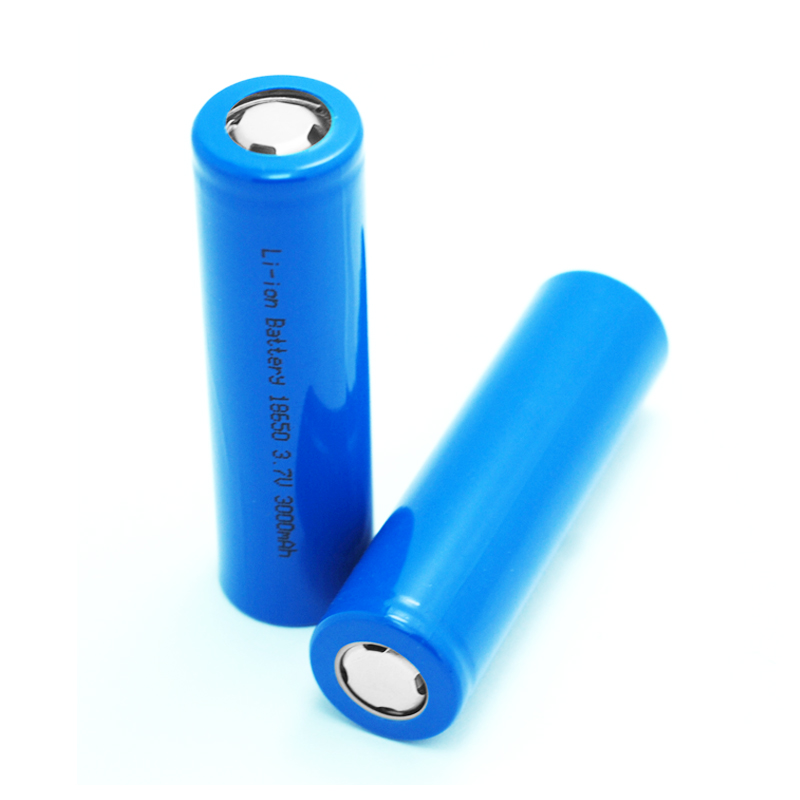
18650 Cells: Single or multiple cells connected in series/parallel
-
BMS (Battery Management System): Protects against overcharge, over-discharge, and short circuits
-
Step-Up/Step-Down Circuit: Converts cell voltage (~3.7V) to USB standard (5V)
-
Enclosure: Can be a 18650 case power bank or custom mini box
📌 Understanding these elements ensures a reliable DIY 18650 power bank that avoids safety hazards.
⚡ Step 1: Selecting 18650 Cells
Choose the right cells for your application:
-
Capacity: 2000–3500mAh for typical use
-
Discharge Rating: 5–10A for standard USB output; higher for fast charging
-
Chemistry: NMC or INR for balance between energy density and safety
-
Cell Condition: For repurposed cells, check voltage, capacity, and internal resistance
📌 Avoid using damaged or swollen cells to prevent fire hazards.
🔌 Step 2: Designing the Power Bank
🔧 Series vs. Parallel
-
Parallel Connection: Increases capacity (mAh) while keeping voltage at 3.7V
-
Series Connection: Increases voltage, requires step-down circuitry for USB output
🔧 Case Selection
-
18650 power bank mini box: Compact, portable solution
-
18650 case power bank: More robust enclosure for multiple cells
🔧 BMS Integration
-
Select a BMS rated for the total current and number of cells
-
Protects against overcharge, over-discharge, and short circuits
-
Ensures balanced charging across multiple cells
📌 Proper BMS choice prevents thermal runaway and prolongs pack life.
🛠️ Step 3: Wiring and Assembly
-
Spot-Weld or Solder cells carefully, using proper connections
-
Connect BMS to match cell configuration
-
Install step-up converter to USB output
-
Encase cells in a fireproof, insulated box
-
Test voltage, current, and USB output before first use
📌 Engineers recommend heat shrink tubing or foam padding to prevent short circuits and mechanical stress.
🔄 Step 4: Testing Your DIY 18650 Power Bank
-
Fully charge the pack with BMS protection
-
Measure voltage and current at USB output
-
Test under load to ensure stability
-
Check for excessive heating
📌 Continuous monitoring during first cycles prevents early failures and ensures safety.
❌ Common Misconceptions
❌ “Any 18650 cell can be used” → Only tested, undamaged cells are safe
❌ “More cells = always better” → Without proper BMS, pack may fail or overheat
❌ “Soldering is safe on all cells” → Spot welding preferred; excessive heat can damage cells
❌ “Mini boxes are less safe” → Proper insulation and ventilation are essential
🔍 FAQ: DIY 18650 Power Bank
Q: How many 18650 cells do I need for a 10000mAh power bank?
A: Three 3.7V 3500mAh cells in parallel yield ~10500mAh at 3.7V nominal.
Q: Can I use old laptop 18650 cells?
A: Only if fully tested for capacity, voltage, and internal resistance.
Q: Do I need a BMS?
A: Yes, it ensures safety and prevents overcharging or deep discharge.
Q: Can I make a compact mini 18650 power bank?
A: Yes, use a small enclosure with 1–2 cells and integrated step-up circuitry.
📣 CTA: Build Safe and Efficient 18650 Power Banks
Whether repurposing old cells or creating a custom 18650 battery power bank, proper design, testing, and BMS integration are critical. Our engineering team provides guidance on cell selection, pack assembly, and safe mini box designs to deliver reliable, high-performance portable chargers.
Related Articles
How to Spot Weld 18650 Batteries?
What Is the Cycle Life of Samsung 30Q?
Where to Buy Panasonic 18650 Batteries?
What Is the Difference Between ICR and IMR 18650 Batteries?
What Is the Range of the 72V 40Ah Lithium Battery?