❓ Is a 3.2V 18650 LiFePO4 Battery the Right Choice?
📌 Abstract
A LiFePO4 battery 18650 offers a very different performance profile compared with conventional 3.7V lithium-ion cells. This page explains how a 3.2V 18650 LiFePO4 cell behaves electrically, what to expect from a typical 18650 LiFePO4 datasheet, and where this chemistry truly excels. We approach the topic from an engineering perspective, focusing on safety margins, voltage characteristics, cycle life, real-world limitations, and common design mistakes.
🔋 What Is an 18650 LiFePO4 Cell?
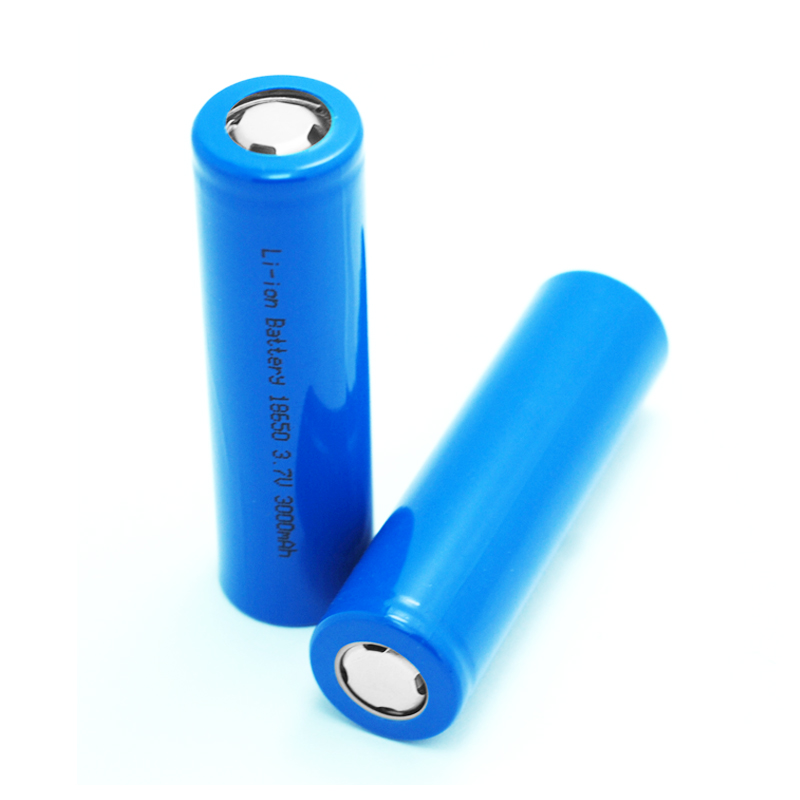
An 18650 LiFePO4 cell combines the standard 18×65 mm cylindrical format with Lithium Iron Phosphate (LiFePO4) chemistry.
Key characteristics:
-
Nominal voltage: 3.2V
-
Full charge voltage: 3.60–3.65V
-
Chemistry: Lithium iron phosphate (LiFePO4)
-
Format: Cylindrical 18650
Direct conclusion:
18650 defines the size; LiFePO4 defines how the cell behaves electrically and thermally.
⚡ Voltage Behavior: 3.2V vs 3.7V Cells
The most critical difference is voltage.
-
3.2V 18650 LiFePO4 maintains a flatter discharge curve
-
Voltage remains stable for most of the discharge cycle
-
Sudden voltage drop occurs near end-of-discharge
In contrast, typical Li-ion cells:
-
Start at 4.2V
-
Decline gradually throughout discharge
Engineering implication:
Systems designed for 3.7V Li-ion cannot directly swap to LiFePO4 without recalibration.
📊 Understanding an 18650 LiFePO4 Datasheet
A realistic 18650 LiFePO4 datasheet usually specifies:
-
Nominal capacity: 1200–1800mAh (lower than Li-ion)
-
Nominal voltage: 3.2V
-
Standard charge current: 0.5C–1C
-
Max continuous discharge: 5–20A (cell dependent)
-
Cycle life: 2000–5000 cycles @ 80% DoD
Direct conclusion:
Lower energy density is traded for dramatically longer cycle life.
🔥 Safety and Thermal Stability
LiFePO4 chemistry is widely regarded as one of the safest lithium battery types.
Advantages include:
-
High thermal runaway threshold
-
Strong resistance to overcharge abuse
-
Oxygen-stable cathode structure
-
Lower risk of fire propagation
Engineer’s note:
“Safer” does not mean “no protection required.” A BMS is still essential.
🔁 Cycle Life and Aging Characteristics
Where LiFePO4 shines:
-
Excellent cycle life even under deep discharge
-
Reduced capacity fade at elevated temperatures
-
Better calendar life in stationary applications
Typical real-world expectation:
-
5–10 years in properly managed systems
Direct conclusion:
For long-term deployments, LiFePO4 often wins on total cost of ownership.
🔧 Engineer’s Selection Advice
Choose a LiFePO4 battery 18650 if:
-
System voltage is designed around 3.2V
-
Long cycle life outweighs energy density
-
Safety and thermal stability are priorities
-
Battery operates continuously or unattended
Avoid 18650 LiFePO4 if:
-
Device expects 4.2V charging
-
Maximum runtime per cell is required
-
Cold-temperature performance is critical
Design tip:
Never assume LiFePO4 cells are drop-in replacements for Li-ion.
📐 Size, Energy Density, and Practical Limits
Although the 18650 LiFePO4 cell shares the same physical size as Li-ion:
-
Energy density is significantly lower
-
More cells are required for the same Wh
-
Pack size grows faster as capacity increases
This limits LiFePO4 18650 usage in:
-
Compact consumer electronics
-
High-runtime portable devices
⚠️ Common Misconceptions
❌ “LiFePO4 is just a safer Li-ion”
❌ “3.2V cells can use standard Li-ion chargers”
❌ “Lower voltage means lower power”
❌ “LiFePO4 doesn’t need a BMS”
❌ “All 18650 LiFePO4 cells have the same capacity”
❓ FAQ – 18650 LiFePO4 Batteries
Q1: Can a 3.2V 18650 LiFePO4 replace a 3.7V Li-ion cell?
Only if the device and charger are designed for LiFePO4 voltage limits.
Q2: Why is capacity lower in LiFePO4 18650 cells?
The chemistry prioritizes stability and cycle life over energy density.
Q3: Are LiFePO4 18650 cells good for solar storage?
Yes, especially in low-voltage modular systems.
Q4: Is cold performance a concern?
Yes. Capacity drops noticeably below 0 °C.
Q5: Do LiFePO4 cells age better than Li-ion?
Generally yes, especially in stationary or lightly cycled systems.
📞 CTA – Get the Right 18650 LiFePO4 Solution
Not sure if a 3.2V 18650 LiFePO4 cell fits your application?
👉 Contact us for:
-
Verified 18650 LiFePO4 cells
-
Datasheet-backed technical support
-
BMS and pack design guidance
-
Application-matched recommendations
Choose chemistry by design, not assumption.
Related Articles
What are the best 18650 rechargeable batteries?
Samsung 25R 18650 2500mAh 20A Battery Still Worth Using?
Where to Buy Samsung 18650 Batteries?
How Hot Can 18650 Batteries Get?
How Many 18650 Batteries in a Tesla Model 3?
How to Test 18650 Battery Capacity?