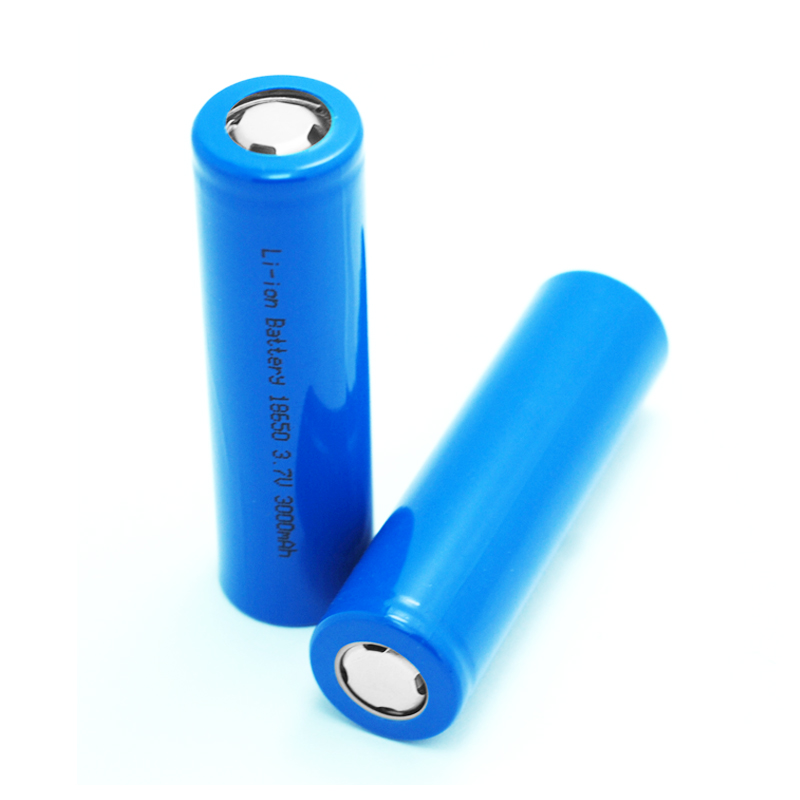
Is an 18650 Battery the Same as AA
🔋 Abstract
Many consumers and hobbyists often confuse 18650 batteries with AA cells due to their similar cylindrical shape. Understanding the 18650 battery size vs AA, differences in voltage, capacity, and applications is essential. This guide explores 18650 vs AA size, chemical composition, common applications, selection advice from an engineering perspective, and safety considerations. It also addresses common misconceptions and provides FAQ and CTA guidance for sourcing the correct battery.
⚡ Physical Size Comparison
| Feature | AA Battery | 18650 Battery |
|---|---|---|
| Diameter | 14.5 mm | 18 mm |
| Length | 50.5 mm | 65 mm |
| Nominal Voltage | 1.5V (alkaline) / 1.2V (NiMH) | 3.6–3.7V (Li-ion) |
| Capacity | 1800–2800 mAh (NiMH) | 1800–3600 mAh (Li-ion) |
| Chemistry | Alkaline, NiMH | Lithium-ion (ICR/IMR/INR) |
| Rechargeable | Sometimes (NiMH) | Yes |
💡 Engineer insight: While AA and 18650 cells are both cylindrical, the 18650 is larger, higher voltage, and rechargeable, making it unsuitable as a direct replacement for AA cells in most devices.
⚡ Voltage and Capacity Differences
-
Voltage:
-
AA (alkaline): 1.5V
-
AA (NiMH rechargeable): 1.2V
-
18650 Li-ion: 3.6–3.7V nominal
-
-
Capacity:
-
AA: 1800–2800 mAh (NiMH), lower for alkaline under high-drain conditions
-
18650: 1800–3600 mAh, optimized for sustained high-drain applications
-
-
Discharge Capability:
-
AA cells struggle with high-drain devices such as vapes, high-lumen flashlights, or power tools
-
18650 cells provide 10–20A continuous current in high-drain applications
-
🔧 Direct conclusion: 18650 and AA are fundamentally different in voltage, chemistry, and current capability; they are not interchangeable.
⚡ Common Applications
-
AA Batteries: Remote controls, toys, clocks, low-drain flashlights
-
18650 Batteries: High-lumen flashlights, vape mods, laptops, power tools, DIY energy storage, EV packs
💡 Engineer tip: Devices requiring high current or energy density cannot safely use AA cells as a substitute for 18650 batteries.
🔧 Selection Advice for Engineers
-
Match voltage to device requirements: Never replace a 1.5V AA with a 3.7V 18650.
-
Current handling: Ensure the battery can safely supply the required current.
-
Size and fit: Physical dimensions are incompatible without adapters, which can be dangerous.
-
Chemistry considerations: Lithium-ion requires a BMS in multi-cell packs; alkaline or NiMH does not.
-
Safety measures: Overvoltage, reverse polarity, or improper charging can cause overheating or fire.
❌ Common Misconceptions
-
❌ “18650 and AA are the same size” – 18650 is thicker and longer
-
❌ “You can replace AA with 18650 directly” – Voltage and size make this unsafe
-
❌ “All cylindrical batteries are interchangeable” – Chemistry, voltage, and protection differ
-
❌ “Rechargeable AA is equivalent to 18650” – 18650 offers higher capacity and discharge capabilities
❓ FAQ
❓ Can I use an 18650 in place of AA?
No. The voltage, size, and current capacity are incompatible. Adapters may exist but are unsafe for high-drain devices.
❓ What is 18650 battery size vs AA?
18650: 18×65 mm, 3.6–3.7V Li-ion; AA: 14.5×50.5 mm, 1.5V alkaline or 1.2V NiMH.
❓ Is 18650 battery same as AA?
No. They differ in voltage, capacity, chemistry, and applications.
❓ Can 18650 replace AA in flashlights?
Only in custom-designed adapters with appropriate voltage regulation; generally not recommended.
📢 CTA – Need the Right Battery for Your Device?
Using the wrong cell can damage your electronics or pose safety hazards.
👉 Contact our battery specialists to select the correct battery type for your project or device.
Related Articles
Why Do 18650 Batteries Explode?
How Often to Change BMW X3 2019 Battery?
What is the Best 18650 Battery for High Drain Devices?