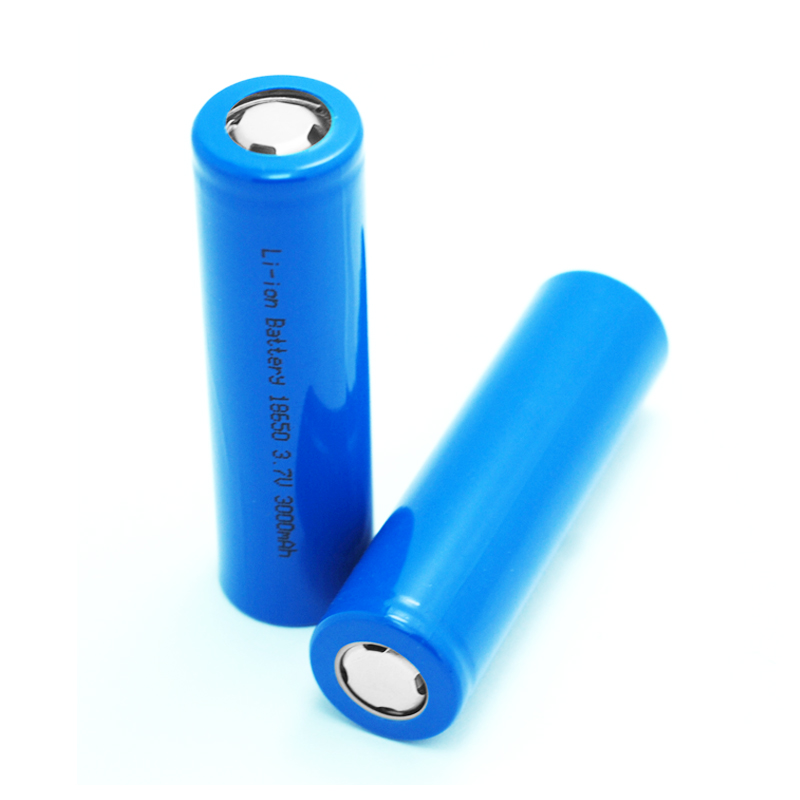
Is It Safe to Recover Cells from Old Laptop Batteries?
💻 Abstract
Recovering 18650 laptop cells from old packs is tempting for DIY projects, but the practice carries hidden risks. Laptop battery 18650 cells degrade over time, and improper handling can trigger thermal events, capacity loss, or latent failures. This guide explains the dangers of reusing 18650 from laptop battery cells, how to evaluate health, safety precautions, and engineering best practices for safe selection and integration.
⚠️ Why Old Laptop 18650 Cells Are Risky
Lithium-ion cells age in ways not always visible externally.
-
Capacity fades after hundreds of cycles
-
Internal resistance rises, causing heating under load
-
Manufacturing inconsistencies amplify with age
-
Abused or deeply discharged cells may vent or swell
Direct conclusion:
👉 Reusing cells without proper testing is a safety hazard.
🔋 Evaluating Recovered Laptop Battery Cells
🧪 Electrical Testing
-
Measure open-circuit voltage and resting voltage
-
Conduct capacity testing using controlled discharge
-
Compare internal resistance across cells
Cells with >20% deviation from nominal performance should be discarded.
🔬 Physical Inspection
-
Check for swelling, corrosion, or leaks
-
Inspect insulation rings and tabs
-
Confirm no mechanical deformation
Even slight bulging signals imminent failure.
🔌 Safe Handling of 18650 from Laptop Battery
Recovered cells can store enough energy to ignite.
-
Remove cells individually using insulated tools
-
Avoid shorting terminals
-
Keep cells isolated during storage
-
Use fireproof containers for testing
Engineering perspective: containment is as important as testing.
🧠 Engineer’s Selection & Integration Advice
If you plan to reuse laptop 18650 cells:
-
Match cells by voltage, capacity, and internal resistance
-
Avoid mixing old cells with new ones
-
Implement robust BMS with per-cell monitoring
-
Derate current and voltage to reduce thermal stress
-
Prefer secondary, low-risk applications over high-power packs
Longevity and safety often outweigh the initial cost savings.
❌ Common Misconceptions About Laptop 18650 Recovery
-
“Cells look fine, so they’re safe”
-
“Capacity is enough if it holds a charge”
-
“Mixing old and new cells is acceptable”
-
“Recovered cells are cheap substitutes for new packs”
Each assumption underestimates chemical degradation and internal resistance growth.
❓ FAQ: Recovering 18650 Laptop Cells
Q: Can all 18650 laptop cells be reused safely?
A: No. Only carefully tested cells with consistent voltage, capacity, and low internal resistance are candidates.
Q: Do older cells pose higher explosion risk?
A: Yes. Aging increases internal defects and thermal sensitivity.
Q: Is it okay to use recovered cells in high-current packs?
A: No. Load stresses may trigger thermal runaway in degraded cells.
Q: Can DIY BMS protect all recovered laptop 18650 cells?
A: Only partially. BMS reduces risk but cannot restore degraded chemistry.
📞 CTA: Need Expert Guidance on Laptop 18650 Cell Recovery?
Our team can help evaluate laptop battery 18650 cells, perform capacity and safety testing, and advise on integration into 18650 laptop cell packs for safe DIY or low-risk applications.
Related Articles
26650 vs 18650: Which Battery Offers Better Performance for Your Device?
Are 18650 batteries considered dangerous goods?