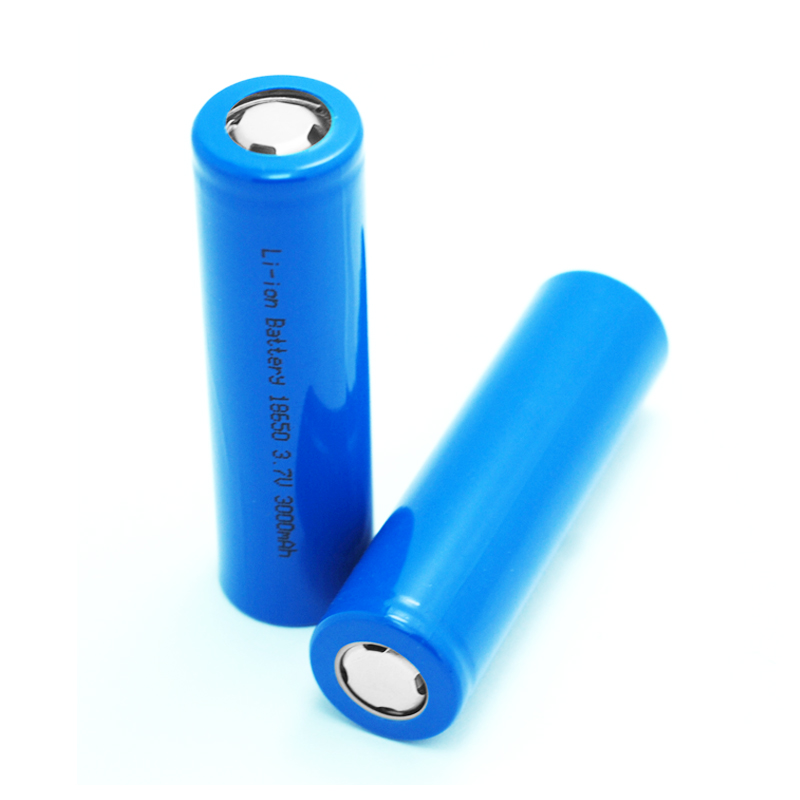
Is It Worth Replacing a Samsung Battery?
Abstract
Replacing a Samsung lithium-ion battery—especially one built around Samsung 18650 cells—is not a yes-or-no question. It depends on cell chemistry, cycle count, degradation mode, and the application’s electrical demands. This page takes an engineer’s view of whether replacing a Samsung battery makes sense, with a focus on samsung akkus 18650, 18650 lithium battery Samsung, INR 18650 battery Samsung, and 18650 Li-ion battery Samsung cells. Short answer first: in many professional and DIY scenarios, replacing a degraded Samsung battery is worth it—but only if you understand what you’re replacing and why.
🔋 What “Replacing a Samsung Battery” Really Means
Samsung does not sell consumer battery packs the same way it sells phones. In most contexts, “replacing a Samsung battery” means one of three things:
-
Replacing a single Samsung 18650 Li-ion battery inside a pack
-
Rebuilding a battery pack originally made with Samsung INR 18650 cells
-
Swapping a degraded OEM battery module for an equivalent cell-based solution
📌 Engineers rarely replace brands—they replace electrochemical performance.
⚙️ Understanding Samsung 18650 Lithium Battery Cells
Samsung SDI is one of the top-tier global manufacturers of cylindrical lithium-ion cells. Their 18650 lithium battery Samsung lineup is widely used in:
-
Power tools
-
E-bike battery packs
-
Medical equipment
-
Industrial backup systems
Typical Samsung 18650 characteristics include:
-
Nominal voltage: 3.6–3.7V
-
Chemistry: INR (NMC-based)
-
Excellent consistency between batches
-
Conservative capacity ratings
📌 Samsung cells often age predictably, which makes replacement decisions easier.
🔬 Why Samsung INR 18650 Cells Age the Way They Do
Most INR 18650 battery Samsung cells use a nickel-rich cathode balanced for:
-
Moderate to high discharge rates
-
Long cycle life
-
Thermal stability
Over time, degradation typically shows up as:
-
Capacity fade (loss of Ah)
-
Increased internal resistance (voltage sag)
-
Higher heat under load
📌 If internal resistance rises before capacity collapses, replacement is usually justified.
🔧 When Is It Worth Replacing a Samsung Battery?
✅ It Is Worth Replacing If:
-
The pack still meets mechanical and safety standards
-
Cells fail due to age, not abuse
-
Replacement cells match original specs
-
BMS and wiring remain intact
This is common in e-bikes, power tools, and UPS systems using samsung akkus 18650.
❌ It’s Not Worth Replacing If:
-
The battery failed due to water ingress or thermal runaway
-
The BMS is damaged or proprietary
-
Replacement cells are mismatched or counterfeit
📌 Replacing cells won’t fix a broken system architecture.
🛠 Engineer’s Perspective: Replace or Redesign?
From an engineering standpoint, the real question isn’t whether to replace—it’s what problem you’re solving.
Scenario 1: Capacity Loss Only
Replace with same-model 18650 Li-ion battery Samsung cells. Straightforward.
Scenario 2: Voltage Sag Under Load
Consider upgrading to a higher-discharge Samsung INR model, not just higher mAh.
Scenario 3: Thermal Stress
Rebuild the pack with better spacing, thicker nickel, or parallel groups.
📌 Direct conclusion: Replacing cells without addressing root causes wastes money.
🔍 Choosing the Right Samsung 18650 Replacement Cell
Key Parameters to Match
-
Nominal voltage (3.6/3.7V)
-
Max continuous discharge current
-
Capacity tolerance (±3% preferred)
-
Production batch consistency
Popular Samsung replacements include INR-based cells optimized for either energy density or power delivery.
📌 Capacity numbers sell batteries. Discharge curves run devices.
⚠️ Common Misconceptions About Samsung Battery Replacement
❌ “Any Samsung 18650 will work”
→ Different INR models behave very differently under load.
❌ “Higher mAh is always better”
→ Often means lower current capability.
❌ “Mixing old and new Samsung cells is safe”
→ Imbalance accelerates degradation.
❌ “Samsung batteries don’t need testing”
→ Even premium cells need verification.
❓ FAQ: Replacing Samsung 18650 Batteries
Q: Are Samsung 18650 lithium batteries better than generic cells?
A: Yes. Samsung cells are known for consistency, safety margins, and honest ratings.
Q: Can I replace one bad Samsung cell in a pack?
A: Technically yes, practically risky unless all cells are closely matched.
Q: How long do Samsung INR 18650 batteries last?
A: Typically 500–800 cycles, depending on depth of discharge and temperature.
Q: Is rebuilding with Samsung akkus 18650 cost-effective?
A: Often cheaper than OEM replacements, especially for large packs.
📣 CTA: Replace Samsung Batteries the Right Way
If you’re considering replacing or rebuilding a battery based on Samsung 18650 Li-ion batteries, don’t guess. We supply verified INR 18650 battery Samsung cells and help engineers select replacements that match real electrical loads—not marketing claims. Contact us for cell matching, pack design advice, and sourcing support.