What 18650 Battery Should I Use
Abstract
Choosing the right 18650 lithium-ion 3.7V battery is not about buying the highest mAh number you see online. It’s about matching cell chemistry, discharge capability, and reliability to your actual application. This guide explains what does 18650 mean, what a 18650 battery is used for, and how engineers select the correct battery 18650 lithium ion cell for safety, performance, and lifespan. If you’ve ever wondered why two identical-looking 18650s behave completely differently, this page answers that question directly.
🔋 What Does 18650 Mean?
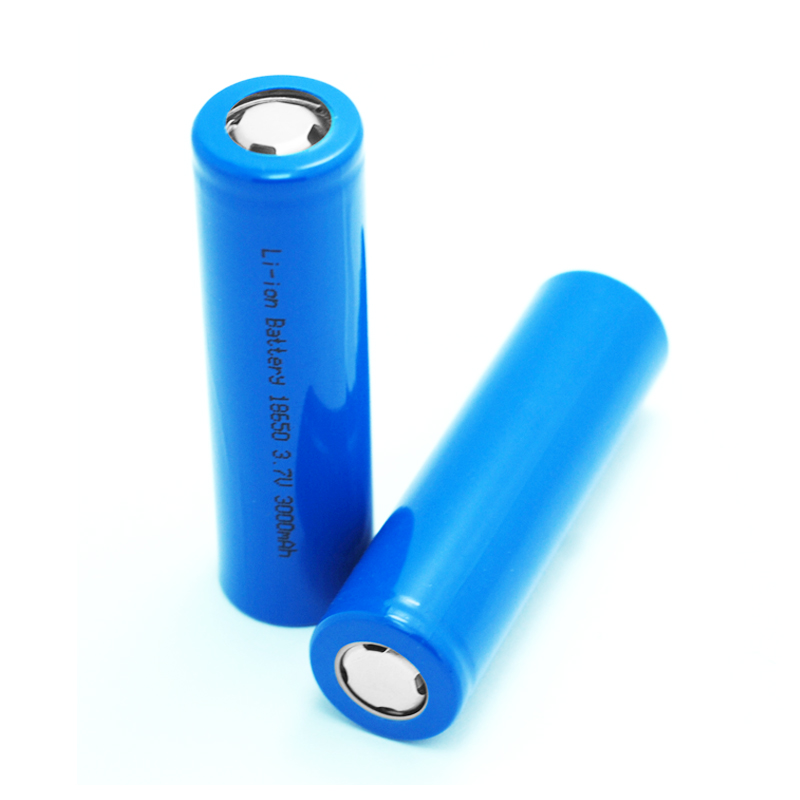
The term 18650 describes only the physical size, not performance:
-
18 mm diameter
-
65 mm length
-
Cylindrical metal can
📌 That’s it. No capacity, no power rating, no quality guarantee.
This is why two 18650 lithium ion 3.7V batteries of the same size can have wildly different behavior under load.
⚡ What Is a 18650 Battery Used For?
18650 cells are used across industries because they scale well in both single-cell and multi-cell designs:
-
🔦 Flashlights and headlamps
-
🔌 Power banks and portable chargers
-
🛠 Power tools
-
🚲 E-bikes and scooters
-
💻 Laptop battery packs
-
🔋 DIY and industrial energy storage
📌 The correct cell for a flashlight is often the wrong cell for an e-bike. Use case defines the battery—not the other way around.
🔬 Understanding 18650 Lithium-Ion 3.7V Behavior
A battery 18650 lithium ion cell operates across a voltage range:
-
4.20V fully charged
-
3.6–3.7V nominal
-
2.5–3.0V recommended cutoff
The “3.7V” label represents the average operating voltage, not a fixed output.
📌 Devices and battery packs must tolerate the full voltage window, especially during startup and peak loads.
📊 The Three Specs That Actually Matter
When deciding what 18650 battery should I use, engineers prioritize:
🔧 1. Continuous Discharge Rating (CDR)
This determines how much current the cell can safely deliver.
-
Low-drain devices: 5–8A
-
Medium-drain electronics: 10–15A
-
High-drain tools or mods: 20–30A
📌 If your load exceeds the CDR, capacity numbers become irrelevant.
🔧 2. Capacity (mAh)
Typical real-world range:
-
2000–2600mAh → high-drain focus
-
2800–3500mAh → energy-focused cells
📌 Higher capacity usually means lower current capability. Physics doesn’t negotiate.
🔧 3. Cell Chemistry
Different chemistries serve different purposes:
-
INR / NMC – balanced power and energy
-
IMR – high-drain, safer thermal behavior
-
NCA – high energy density, used in EV packs
📌 Chemistry selection is often more important than brand.
🛠️ Engineer’s Selection Advice
🔦 Flashlights & Electronics
-
Medium discharge cells
-
Stable voltage curve
-
Emphasis on runtime
🛠 Power Tools & Motors
-
High-drain IMR or INR cells
-
Low internal resistance
-
Thermal tolerance matters more than mAh
🔋 Battery Packs (Series/Parallel)
-
Matched cells only
-
Same model, same age, same batch if possible
-
Always use a BMS
📌 Direct conclusion: there is no “best” 18650—only the correct one for your load.
❌ Common Misconceptions
❌ “All 18650 batteries are interchangeable”
→ Same size, very different electrical limits.
❌ “Higher mAh means better battery”
→ Often means worse performance under load.
❌ “Protected cells are always safer”
→ Protection circuits can fail or limit current unexpectedly.
❌ “Brand matters more than specs”
→ Datasheet > logo.
🔍 FAQ: Choosing an 18650 Battery
Q: What 18650 battery should I use for my device?
A: Match the cell’s continuous discharge rating to your device’s maximum current draw.
Q: Are all 18650 lithium-ion batteries 3.7V?
A: Nominally yes, but voltage varies from 4.2V to ~2.5V during use.
Q: Can I replace AA batteries with an 18650?
A: Not without voltage regulation. Direct replacement is unsafe.
Q: Is higher capacity always better?
A: No. High-capacity cells often fail in high-drain applications.
📣 CTA: Get the Right 18650 for Your Application
If you’re unsure what 18650 battery you should use, guessing is risky and expensive. Our engineering team helps match 18650 lithium-ion 3.7V batteries to real load profiles, ensuring safety, performance, and long service life in both consumer and industrial applications.