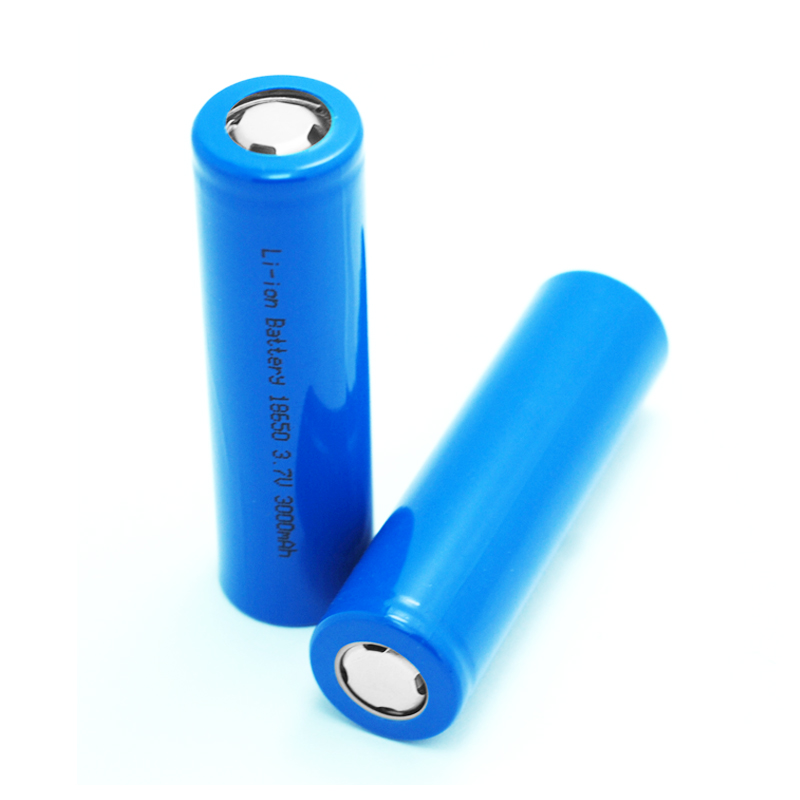
🔋 What Are the Disadvantages of Using 21700 Over 18650?
🧠 Summary
While 21700 lithium-ion battery cells offer higher capacity and improved energy density, they are not always the best replacement for 18650 cells. This page explores the key disadvantages of using 21700 batteries over 18650 batteries, including size limitations, thermal challenges, compatibility issues, cost considerations, and design trade-offs. Understanding these drawbacks helps manufacturers and engineers choose the right cell format for their battery pack applications.
📏 Larger Size and Reduced Design Flexibility
One of the most noticeable disadvantages of 21700 batteries is their larger physical size.
📐 Size comparison:
-
18650: 18 mm × 65 mm
-
21700: 21 mm × 70 mm
The increased diameter and length can:
-
Limit compact product designs
-
Reduce layout flexibility in battery packs
-
Increase overall enclosure size
For space-constrained devices, 18650 cells remain easier to integrate.
🧩 Compatibility and Retrofit Challenges
Many existing devices and battery packs are designed specifically for 18650 cells.
🔄 Switching to 21700 may require:
-
Redesign of battery holders and enclosures
-
New electrical and thermal layouts
-
Updated battery management systems (BMS)
-
Re-certification for safety standards
These compatibility challenges increase development time and engineering costs.
🌡️ Thermal Management Complexity
Although 21700 cells can deliver higher power, they also generate more heat under high loads.
🔥 Thermal disadvantages include:
-
Higher heat concentration per cell
-
More demanding cooling requirements
-
Increased risk of thermal imbalance in dense packs
Without proper thermal design, performance and safety can be negatively affected.
💰 Higher Initial Cost in Some Applications
While cost per watt-hour can be competitive, 21700 cells often have higher upfront costs.
💸 Cost considerations:
-
Higher per-cell price compared to 18650
-
More robust mechanical and thermal materials needed
-
Increased tooling and design costs
For low-to-medium power applications, 18650 batteries may remain more cost-effective.
⚖️ Weight and Handling Considerations
21700 cells are heavier than 18650 cells, which can be a disadvantage in weight-sensitive products.
🏋️ Impact of increased weight:
-
Reduced portability
-
Higher structural support requirements
-
Increased system inertia in mobile applications
This is especially important in handheld devices, drones, and medical equipment.
🔧 Manufacturing and Supply Chain Limitations
Although adoption is growing, 18650 cells still have broader global availability.
📦 Supply challenges with 21700:
-
Fewer long-term qualified suppliers
-
Limited chemistry variations in some markets
-
Longer lead times for custom specifications
A mature 18650 supply chain can reduce procurement risks.
📊 When 18650 Batteries May Be the Better Choice
Despite newer technology, 18650 cells remain advantageous in certain scenarios.
✅ Best cases for 18650:
-
Compact or modular designs
-
Legacy systems
-
Lower power density requirements
-
Faster development cycles
-
Cost-sensitive projects
Cell selection should always be driven by application requirements rather than trend alone.
❓ Frequently Asked Questions (FAQ)
🔹 Are 21700 batteries always better than 18650?
No. While 21700 cells offer higher capacity, they are not ideal for every application due to size, cost, and thermal design constraints.
🔹 Can I replace 18650 cells with 21700 cells directly?
In most cases, no. Mechanical, electrical, and thermal redesign is usually required.
🔹 Do 21700 batteries last longer?
They can offer longer runtime per cell, but overall lifespan depends on usage, thermal management, and charging practices.
🔹 Are 21700 cells safer than 18650?
Both formats can be equally safe when properly designed with a quality BMS and thermal protection.
🔹 Why do some manufacturers still prefer 18650?
Because of proven reliability, smaller size, broader availability, and easier integration into existing designs.
Related Articles
What is the 80 20 rule for charging batteries?
How to design a lithium-ion battery pack?