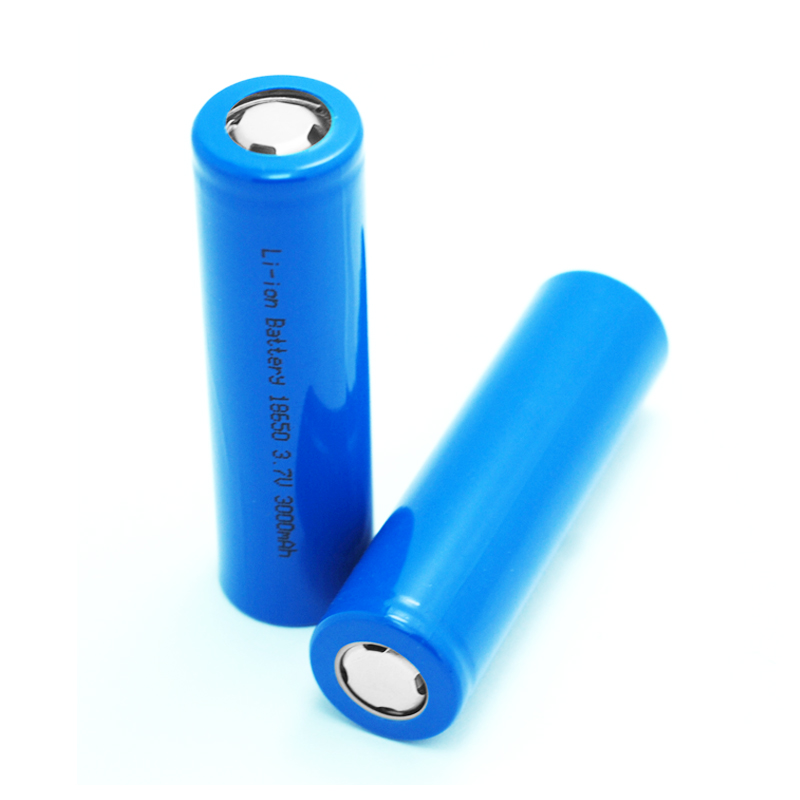
🔋 What Are the Pros and Cons of 21700 Batteries?
🧠 Summary
A 21700 lithium-ion battery offers higher capacity, improved energy density, and better thermal performance compared to older cylindrical cell formats. However, 21700 battery cells also come with trade-offs such as larger size, higher weight, and compatibility challenges. This page provides a balanced, expert-level overview of the advantages and disadvantages of using a 21700 lithium battery to help you make informed design and purchasing decisions.
⚡ What Is a 21700 Lithium-Ion Battery?
A 21700 lithium-ion battery is a cylindrical rechargeable battery measuring 21 mm × 70 mm. It was developed to improve energy density and efficiency over traditional 18650 cells.
🔍 Key features:
-
Higher capacity per cell
-
Rechargeable lithium-ion chemistry
-
Commonly used in EVs, power tools, and energy storage systems
-
Requires proper battery management systems (BMS)
✅ Pros of 21700 Battery Cells
📈 Higher Energy Density
21700 battery cells store more energy per cell, allowing:
-
Longer runtime
-
Fewer cells per battery pack
-
Reduced electrical interconnections
This makes 21700 lithium batteries ideal for high-energy applications.
🔋 Increased Capacity
Most 21700 lithium batteries offer 4000–5000 mAh, significantly higher than typical 18650 cells.
🔋 Benefits include:
-
Extended device operation
-
Improved efficiency
-
Fewer charge cycles required
🌡️ Better Thermal Performance
The larger size of 21700 battery cells allows for improved heat dissipation.
🔥 Advantages:
-
Lower internal resistance
-
Reduced overheating risk
-
More stable performance under high load
This enhances both safety and lifespan.
🔧 Improved Pack Efficiency
Using fewer, higher-capacity cells simplifies battery pack design.
⚙️ Engineering benefits:
-
Lower assembly complexity
-
Reduced failure points
-
Improved reliability
❌ Cons of 21700 Lithium Batteries
📏 Larger Size and Higher Weight
The increased size of a 21700 lithium battery can be a drawback.
📦 Limitations:
-
Less suitable for compact devices
-
Increased overall system weight
-
Larger battery enclosures required
🔄 Compatibility Challenges
Most legacy systems are designed for 18650 cells.
🔧 Switching to 21700 may require:
-
Redesign of battery packs
-
New BMS configurations
-
Updated safety certifications
💰 Higher Initial Cost
Although cost per watt-hour can be competitive, individual 21700 battery cells often have higher upfront costs.
💸 Cost considerations:
-
Higher per-cell price
-
More robust thermal materials
-
Increased tooling expenses
⚠️ Safety Requires Proper Management
Like all lithium-ion batteries, 21700 lithium batteries require strict safety controls.
🛡️ Risks without proper design:
-
Thermal runaway
-
Overcharging
-
Cell imbalance
High-quality BMS integration is essential.
⚖️ When Should You Choose 21700 Batteries?
✔️ High-energy or long-runtime applications
✔️ Electric vehicles and power tools
✔️ Energy storage systems
✔️ Projects prioritizing efficiency and lifespan
For compact or weight-sensitive designs, alternative cell formats may be better.
❓ Frequently Asked Questions (FAQ)
🔹 Are 21700 lithium batteries better than 18650?
In many cases, yes—especially for energy density and efficiency—but size and compatibility must be considered.
🔹 How long do 21700 battery cells last?
Typical lifespan ranges from 800 to 2000 cycles, depending on usage and thermal management.
🔹 Are 21700 lithium batteries safe?
Yes, when paired with a proper BMS and used within design limits.
🔹 What industries commonly use 21700 batteries?
Electric vehicles, energy storage, industrial tools, robotics, and high-performance electronics.
🔹 Can 21700 batteries be customized?
Yes. Voltage, capacity, and pack configuration can be customized for specific applications.