What Can You Do With 18650 Batteries
Abstract
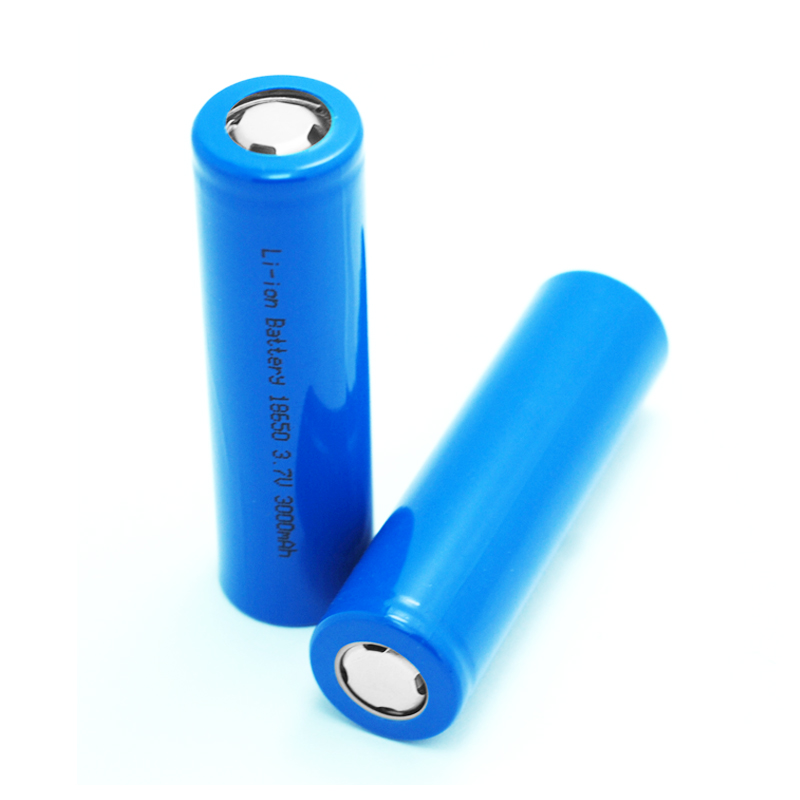
The lithium ion 18650 rechargeable battery is one of the most versatile energy storage formats ever commercialized. Its popularity is not accidental—it comes from a balance of energy density, discharge capability, standardized size, and mature safety engineering. This page explains what voltage are 18650 batteries, what uses a 18650 battery, and how li ion 18650 cells are applied in real products, DIY systems, and industrial battery packs. Engineers don’t ask whether 18650 cells can be used—they ask whether they’re the right choice for the load profile.
🔋 What Voltage Are 18650 Batteries?
A common misunderstanding is that 18650 batteries output a fixed voltage. In reality:
-
4.20V – fully charged
-
3.6–3.7V – nominal operating voltage
-
2.5–3.0V – typical cutoff
📌 The term lithium ion 18650 rechargeable battery refers to chemistry and form factor, not a regulated output.
This variable voltage behavior is why most devices rely on internal regulators, buck/boost converters, or a BMS when multiple cells are used.
⚙️ What Uses a 18650 Battery in the Real World?
You’ll find li ion 18650 cells across consumer, commercial, and industrial products:
🔦 Consumer Electronics
-
High-lumen flashlights
-
Camera rigs and LED panels
-
Portable fans and handheld tools
📌 Flashlights favor medium-drain cells with stable voltage curves.
🔌 Power Banks & Portable Energy
-
DIY power banks
-
Commercial USB power stations
-
Backup chargers
These applications prioritize capacity and cycle life, not peak discharge.
🛠 Power Tools & Equipment
-
Cordless drills
-
Impact drivers
-
Garden tools
📌 These loads demand high continuous discharge and low internal resistance. Capacity comes second.
🚲 Mobility & Transportation
-
E-bikes
-
Scooters
-
Robotics platforms
Large packs use hundreds of matched lithium ion 18650 rechargeable batteries wired in series and parallel with advanced BMS protection.
💻 Laptops & Industrial Packs
-
Laptop batteries
-
Medical equipment
-
Measurement instruments
📌 Reliability and consistency matter more than marketing specs.
🔬 Why Engineers Still Choose Li Ion 18650 Cells
Despite newer formats, 18650 cells remain dominant because:
-
Predictable thermal behavior
-
Established manufacturing standards
-
Extensive test data across decades
-
Easy pack-level scalability
📌 In engineering, proven data beats novelty.
🧰 DIY Projects You Can Build With 18650 Batteries
🔋 DIY Battery Packs
-
12V, 24V, 36V systems
-
Solar storage buffers
-
UPS backups
Always pair with a BMS. Always.
🔌 Custom Power Banks
-
Modular designs
-
Replaceable cells
-
Higher efficiency than pouch-cell banks
📌 DIY builds succeed when current limits are respected.
🤖 Robotics & Automation
-
AGVs
-
Line-following robots
-
IoT gateways
18650 cells offer consistent voltage under pulsed loads—critical for control systems.
🛠 Engineer’s Selection Advice
When deciding what you can do with 18650 batteries, selection starts with load analysis:
Step 1: Define Peak Current
Calculate startup and surge current—not just average draw.
Step 2: Choose Chemistry
-
INR / NMC – balanced applications
-
IMR – high-drain tools
-
NCA – energy-dense packs
Step 3: Match Capacity to Runtime
Oversizing capacity without current margin causes heat, sag, and early failure.
📌 Direct conclusion: Current rating protects the cell; capacity only extends runtime.
⚠️ Common Misconceptions
❌ “Any 18650 will work if the voltage matches”
→ Discharge limits matter more than voltage.
❌ “Protected cells remove all risk”
→ Protection circuits are not a substitute for system design.
❌ “Higher mAh means better quality”
→ Often means thinner electrodes and lower current tolerance.
❌ “Used laptop cells are fine for tools”
→ Aged cells fail fastest under high load.
❓ FAQ: 18650 Battery Uses
Q: What voltage are 18650 batteries really?
A: They operate from 4.2V down to about 2.5V depending on load and chemistry.
Q: What uses a 18650 battery most commonly?
A: Flashlights, laptops, power tools, e-bikes, and power banks.
Q: Can I use 18650 batteries for solar storage?
A: Yes, with proper cell matching, enclosure design, and a BMS.
Q: Are lithium ion 18650 rechargeable batteries safe?
A: When correctly selected and managed, yes. When abused, no battery chemistry is safe.
📣 CTA: Build Smarter With the Right 18650 Cells
Whether you’re designing a commercial product or a DIY system, choosing the right li ion 18650 cells determines performance, safety, and lifespan. Our team helps engineers and builders select verified lithium ion 18650 rechargeable batteries matched to real electrical demands—not marketing numbers.