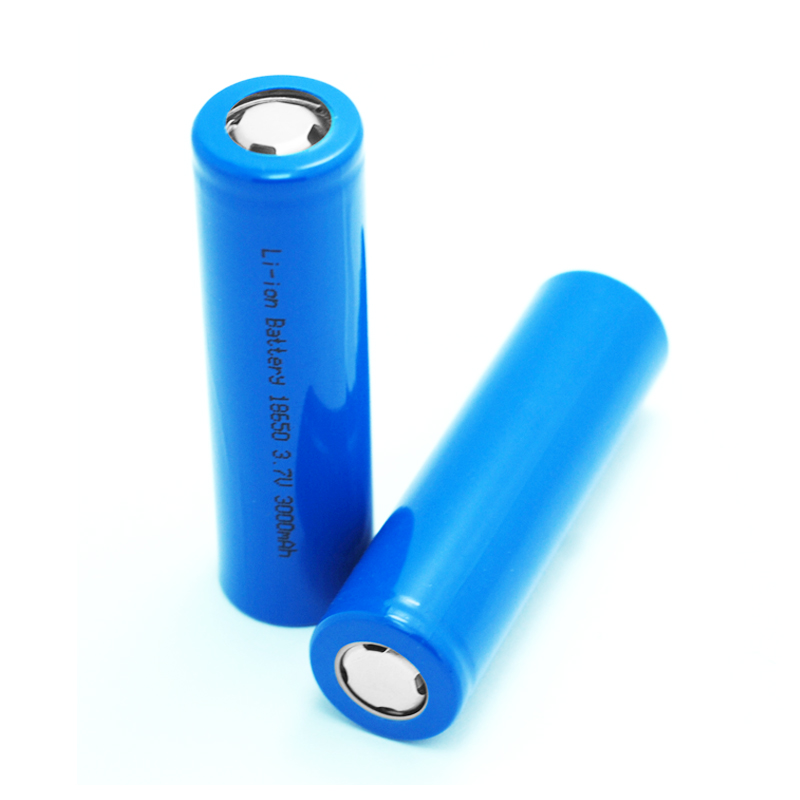
What Is a 3.7V 18650 Battery
Abstract
A 3.7V 18650 battery is one of the most widely used lithium-ion cells in modern electronics, power tools, and energy storage systems. Understanding what size battery is 18650, how 18650 batteries 3.7V behave electrically, and how to select the right 18650 3.7V Li-ion cell is critical for performance, safety, and lifespan. This page explains the technical fundamentals, real-world use cases, engineering selection logic, common pitfalls, and practical guidance for professionals and advanced users.
🔋 What Size Battery Is 18650?
The name 18650 is purely dimensional:
-
18 mm diameter
-
65 mm length
-
Cylindrical steel can format
This standardized size allows interchangeability across devices designed for it, but electrical characteristics vary significantly between cells.
📌 The 18650 format became dominant because it balances energy density, thermal stability, and manufacturability better than smaller cylindrical cells like 14500.
⚡ What Does “3.7V” Mean in an 18650 Battery?
A 18650 3.7V rechargeable battery refers to its nominal voltage, not its full or empty voltage.
Typical voltage ranges:
-
Fully charged: 4.20V
-
Nominal: 3.6–3.7V
-
Recommended cutoff: 2.5–3.0V
🔧 Engineers treat 3.7V as the average operating voltage across the discharge curve, not a fixed output.
📌 Devices must be designed to handle the entire voltage window, not just the nominal value.
🔬 Chemistry Behind 18650 3.7V Li-Ion Cells
Most 18650 batteries 3.7V use lithium-ion chemistries such as:
-
INR (LiNiMnCoO₂) – balanced energy and power
-
NMC (LiNiMnCoO₂ variants) – high energy density
-
NCA (LiNiCoAlO₂) – high energy, used in EVs
-
IMR (LiMn₂O₄) – safer, high-drain, lower capacity
📌 All of these chemistries operate around the same 3.6–3.7V nominal voltage, which is why they’re grouped under “18650 3.7V Li-ion.”
🔌 Where Are 18650 3.7V Batteries Used?
You’ll find 18650 3.7V rechargeable batteries in:
-
🔦 High-performance flashlights
-
🛠 Power tools and battery packs
-
🚲 E-bikes and scooters
-
💻 Laptop battery modules
-
🔋 Power banks and DIY energy storage
-
🔌 Industrial backup systems
📌 The same physical cell can serve radically different roles depending on capacity, discharge rating, and thermal design.
📊 Key Specifications That Actually Matter
Not all 18650 batteries are equal. When evaluating a 18650 3.7V Li-ion, focus on:
-
Capacity (mAh): Typically 2000–3500mAh
-
Continuous Discharge Rating (CDR): 5A to 30A
-
Internal Resistance: Lower is better for high-load use
-
Cycle Life: 300–1000+ cycles depending on chemistry
-
Protection: Protected vs unprotected cells
📌 A 3500mAh cell with a 5A limit is useless in a 15A device. Capacity without current capability is a false metric.
🛠️ Engineer’s Selection Advice
From an engineering perspective, selecting the right 18650 batteries 3.7V depends on load profile:
🔧 High-Drain Devices
-
Choose cells with low internal resistance
-
Prioritize discharge rating over capacity
-
Examples: INR or IMR chemistry
🔧 Long Runtime / Energy Storage
-
Higher mAh cells
-
Moderate discharge rates
-
Stable thermal behavior
🔧 Battery Pack Design
-
Match cells by capacity, age, and resistance
-
Always use a BMS in multi-cell packs
-
Design airflow and thermal paths early
📌 Conclusion engineers agree on: the best 18650 cell is application-specific, not brand-specific.
❌ Common Misconceptions
❌ “3.7V is the output at all times”
→ Voltage changes continuously during discharge.
❌ “All 18650 batteries are interchangeable”
→ Same size ≠ same electrical behavior.
❌ “Higher mAh is always better”
→ Often means lower current capability.
❌ “Protected cells are safer for all uses”
→ Protection circuits can fail under high current loads.
🔍 FAQ: 3.7V 18650 Batteries
Q: Is a 18650 battery always 3.7V?
A: Nominally yes, but voltage ranges from ~4.2V (full) to ~2.5V (empty).
Q: Can I replace multiple AA batteries with one 18650?
A: Only with proper voltage regulation; raw replacement is unsafe.
Q: Are 18650 3.7V batteries rechargeable?
A: Yes. All genuine 18650 Li-ion cells are rechargeable.
Q: How long does a 18650 battery last?
A: Typically 300–1000 charge cycles depending on usage and charging habits.
📣 CTA: Choose the Right 18650 3.7V Battery
If you’re selecting 18650 3.7V Li-ion cells for devices, battery packs, or industrial systems, correct specification matching matters more than brand names. Our engineering team supports cell selection, pack design, and BMS integration to ensure safety, efficiency, and long-term reliability.