What Is a Flat Shape Type Battery Camcorders
🎥🔋
Abstract
Flat shape type batteries are a defining component in modern camcorders, enabling thinner designs, better weight distribution, and longer runtime compared to legacy cylindrical cells. Understanding what a flat shape battery is—and why camcorders rely on it—requires looking beyond form factor into chemistry, discharge behavior, thermal constraints, and integration with camera power management systems. This page explains the structure, purpose, advantages, limitations, and selection logic of flat shape batteries used in camcorders, from consumer video cameras to professional recording equipment.
🔍 What Does “Flat Shape Type Battery” Mean in Camcorders?
A flat shape type battery refers to a prismatic or pouch-style lithium battery designed with a low-profile rectangular geometry rather than cylindrical cells.
In camcorders, this battery format allows:
-
Slim housing design
-
Larger surface area for heat dissipation
-
Higher energy density per volume
Direct conclusion: flat shape batteries exist to serve the camera’s mechanical design, not just its electrical needs.
🔋 Common Battery Types Used in Camcorders
Most camcorders use lithium-based flat batteries, typically:
-
Lithium-ion prismatic cells
-
Lithium-ion polymer (LiPo) pouch cells
Both formats are:
-
Nominally 3.6–3.7V per cell
-
Configured internally in 1S, 2S, or multi-parallel layouts
-
Managed by an internal protection circuit module (PCM)
Industry note: battery packs sold for camcorders are rarely single cells—they are engineered assemblies.
🧱 Why Camcorders Prefer Flat Shape Batteries
🎯 Camcorders impose unique constraints:
-
Continuous moderate discharge
-
Heat generated by image sensors and processors
-
Handheld ergonomics
-
Tight internal packaging
Flat batteries solve these problems by:
-
Spreading heat over a wider area
-
Reducing thickness behind LCD panels
-
Allowing custom-shaped enclosures
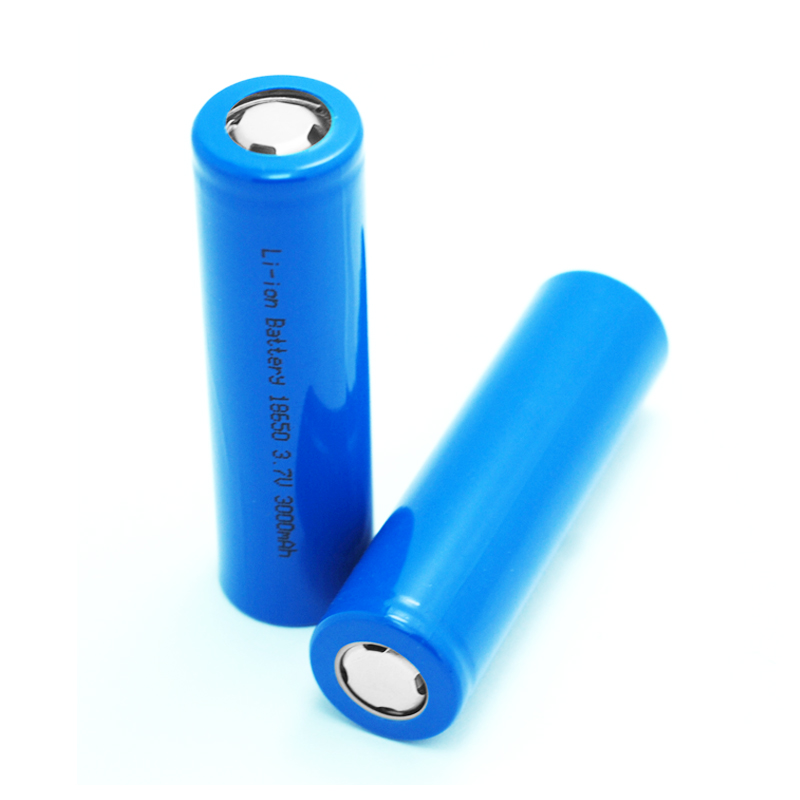
Blunt fact: a cylindrical 18650 simply doesn’t fit the ergonomics of a modern camcorder.
⚙️ Electrical Characteristics That Matter
From an engineering standpoint, flat shape camcorder batteries are optimized for:
-
Stable discharge at 1–3C
-
Low internal resistance
-
High cycle consistency
-
Predictable voltage curve for runtime estimation
Most camcorders rely on battery voltage feedback to calculate remaining time. Flat lithium packs provide a smoother curve than older NiMH designs.
🔥 Thermal and Safety Design
📐 Flat batteries are more sensitive to thermal stress than metal-cased cylindrical cells.
Design mitigations include:
-
Aluminum-laminated pouch layers
-
Internal temperature sensors
-
Overcharge and over-discharge protection
-
Tight integration with camera firmware
Direct conclusion: battery safety in camcorders is system-level, not cell-level.
🔌 How Flat Shape Batteries Are Integrated into Camcorders
Unlike generic batteries, camcorder batteries often include:
-
Proprietary connectors
-
Authentication chips
-
Communication pins (ID / data)
-
Custom charging profiles
This ensures:
-
Accurate capacity reporting
-
Controlled charging rates
-
Prevention of incompatible batteries
Engineering reality: many “third-party” failures are communication failures, not cell failures.
🧠 Engineer’s Selection Advice (Battery Design Perspective)
🔧 If selecting or replacing a flat shape battery for a camcorder:
-
Match physical dimensions exactly
-
Match nominal voltage and max charge voltage
-
Verify continuous discharge capability, not just mAh
-
Confirm PCM logic compatibility
-
Evaluate cycle life under camera thermal conditions
Conclusion engineers agree on: capacity numbers alone are meaningless without thermal context.
❌ Common Misconceptions and Mistakes
🚫 Assuming all flat batteries are interchangeable
🚫 Choosing higher mAh without checking thickness
🚫 Ignoring connector pinout differences
🚫 Using drone LiPo cells as substitutes
🚫 Charging outside the camera’s intended profile
Most camcorder battery damage is caused by mechanical or charging mismatch, not poor chemistry.
❓ FAQ
What is a flat shape type battery in camcorders?
It is a prismatic or pouch-style lithium battery designed to fit slim camcorder housings while delivering stable power.
Are flat shape batteries better than cylindrical ones?
For camcorders, yes. They offer better packaging efficiency and ergonomics.
Can I replace a flat battery with a generic LiPo?
Not recommended. Connector, protection logic, and charging profiles are usually proprietary.
Why do camcorder batteries cost more than phone batteries?
They are lower volume, application-specific, and often include communication electronics.
🚀 Call to Action
Looking for flat shape lithium batteries for camcorders, custom battery pack development, or OEM-compatible replacements?
👉 Contact our technical team for engineered battery solutions designed for video equipment and imaging devices.
Related Articles
How Many Amps to Spot Weld 18650 Batteries?
How to Charge a 2600mAh Battery
What Batteries Can Replace 18650?
What Is the Minimum Voltage for Samsung INR18650-35E?
What Is the Difference Between 18650 and 26650 Batteries?