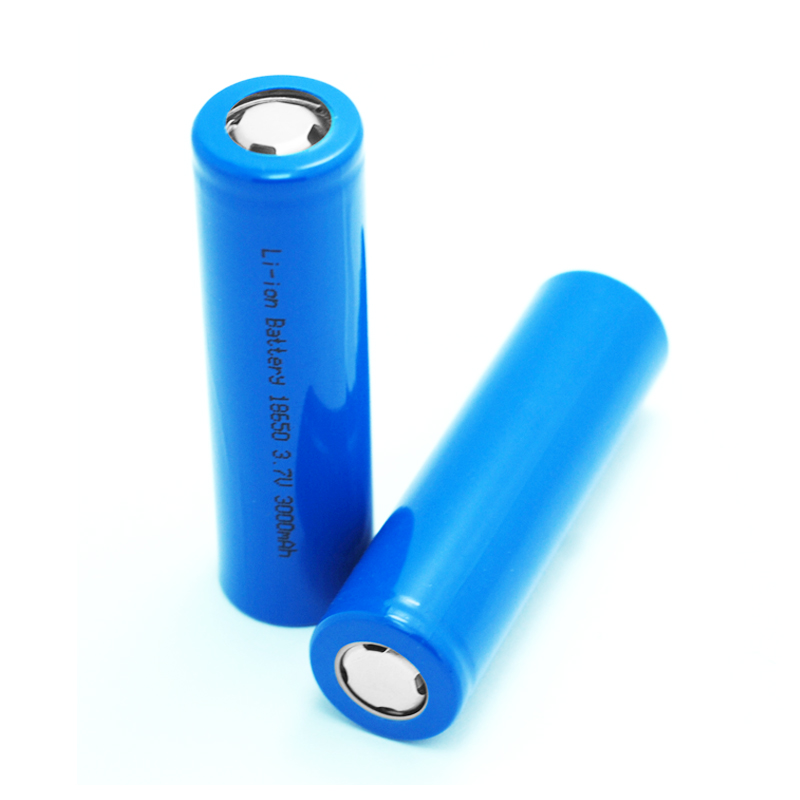
🔋 What Is the Difference Between High-Drain and High-Capacity 18650 Batteries?
🧠 Summary
The key difference between high-drain and high-capacity 18650 batteries lies in how they balance power output versus energy storage. High-drain battery 18650 models are designed to deliver strong current safely, while high-capacity 18650 li-ion batteries focus on longer runtime per charge. Understanding this distinction is essential when choosing a recommended 18650 battery for your device.
⚡ What Are High-Drain 18650 Batteries?
High-drain 18650 batteries are optimized for applications that require high current output.
🔍 Key characteristics:
-
Lower mAh capacity
-
High continuous discharge rating (CDR)
-
Reduced voltage sag under load
-
Better thermal stability under stress
These batteries are commonly used where power demand is intense and immediate.
🔋 What Are High-Capacity 18650 Batteries?
High-capacity 18650 batteries prioritize energy storage rather than power output.
📊 Key characteristics:
-
Higher mAh ratings
-
Lower continuous discharge rates
-
Longer runtime per charge
-
Ideal for low-to-moderate drain devices
They are popular in applications where endurance matters more than peak power.
⚖️ High-Drain vs High-Capacity: Side-by-Side Comparison
Understanding the trade-offs helps prevent performance issues.
🆚 Key differences:
-
High-drain: More power, less runtime
-
High-capacity: Longer runtime, less peak current
-
High-drain: Better for bursts of energy
-
High-capacity: Better for continuous low loads
Neither option is universally better—it depends on usage.
🌡️ Safety, Heat, and Battery Recharge Behavior
Recharge behavior differs between the two types.
🛡️ Important considerations:
-
High-drain cells generate more heat during discharge
-
High-capacity cells are more sensitive to overcurrent
-
Both require proper 18650 battery recharge methods
-
A reliable BMS is essential for pack-level safety
Choosing the wrong type may reduce battery life or cause thermal stress.
🧪 Recommended Applications for Each Type
Matching battery type to application is critical.
📌 Best use cases:
-
High-drain 18650 li-ion batteries: Power tools, drones, e-mobility, high-output flashlights
-
High-capacity 18650 batteries: Energy storage, backup power, laptops, portable electronics
Selecting the correct type ensures optimal performance and safety.
🧠 Author Insight: My Experience Choosing the Right 18650 Battery
From my experience building and testing battery packs, the biggest mistake I see is choosing the highest mAh cell without considering discharge needs. I’ve worked on systems where high-capacity cells overheated simply because the load demanded more current than they were designed to handle.
When selecting a recommended 18650 battery, I always calculate real current demand first. If the application draws high bursts of power, I choose a high-drain battery 18650 even if it means sacrificing runtime. This approach consistently delivers safer, more reliable results.
🚀 How to Choose the Recommended 18650 Battery
✔️ Measure continuous and peak current
✔️ Decide between runtime or power priority
✔️ Match discharge rating with application
✔️ Use certified 18650 li-ion batteries
✔️ Follow proper charging and thermal management
Smart selection protects both the battery and the device.
❓ Frequently Asked Questions (FAQ)
🔹 Can a high-capacity 18650 replace a high-drain battery?
Not safely. High-capacity cells may overheat under high current loads.
🔹 Are high-drain 18650 batteries less durable?
No. They are designed for stress but may have fewer cycles due to higher operating temperatures.
🔹 Which type lasts longer per charge?
High-capacity 18650 batteries provide longer runtime per charge.
🔹 Which is safer for beginners?
High-capacity cells are generally safer for low-drain applications when used correctly.
🔹 How do I know which 18650 battery is recommended?
Check device current requirements and match them to the battery’s discharge rating.
📢 Call to Action (CTA)
🔋 Not sure which 18650 battery fits your application?
Our specialists can help you choose a recommended 18650 battery based on performance, safety, and recharge needs.
👉 Contact us today for expert battery guidance.
Related Articles
Can I use an AA charger to charge an 18650 battery?
What causes an 18650 battery to degrade?