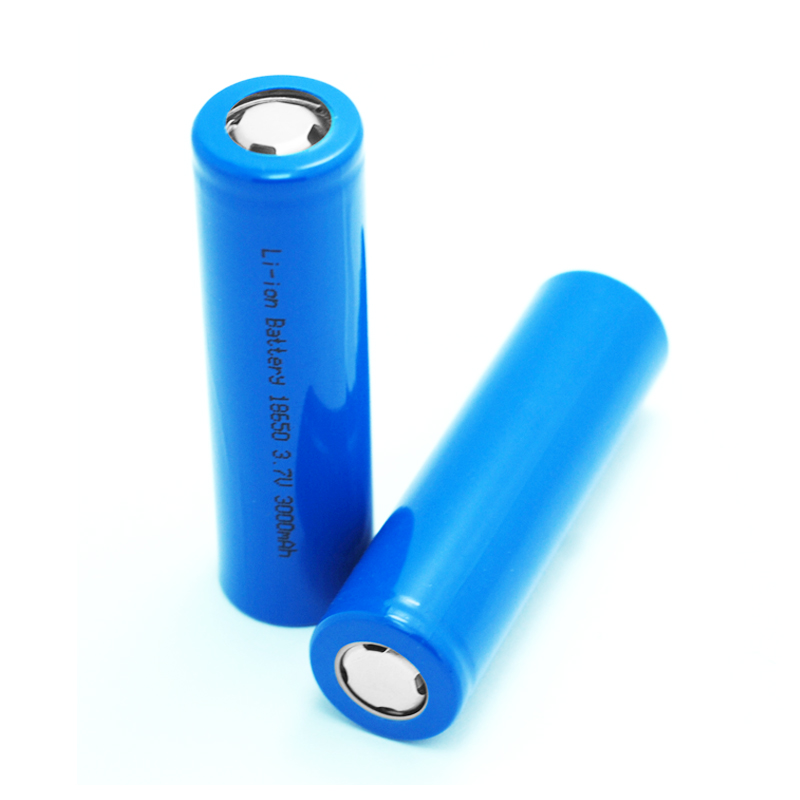
🔋 What Is the Difference Between INR, NMC, and NCA 18650 Batteries?
🧠 Abstract
INR, NMC, and NCA are frequently mixed up in both consumer and B2B markets. The confusion isn’t just semantic—it affects safety margins, discharge limits, cycle life, and pack design cost. In practice, INR 18650 is a commercial classification, while 18650 NMC battery and NCA refer to specific cathode chemistries. Engineers care less about the label and more about how the cell behaves under heat, load, and abuse. This page breaks down the real differences, not the marketing ones.
🧩 Clarifying the Naming (Critical Context)
Let’s settle this first.
🔹 INR 18650
-
Industry shorthand, not a single chemistry
-
Commonly refers to nickel-based lithium-ion systems
-
In most catalogs, INR = NMC-based cell
🔹 18650 NMC battery / 18650 NMC cell
-
Lithium Nickel Manganese Cobalt Oxide (LiNiMnCoO₂)
-
Balanced chemistry: energy + power + stability
-
Dominant choice for modern cylindrical cells
🔹 NCA 18650
-
Lithium Nickel Cobalt Aluminum Oxide (LiNiCoAlO₂)
-
Higher energy density
-
Narrower thermal tolerance
-
Used where system-level control is strong
👉 Direct conclusion:
Most 18650 INR batteries sold today are, in fact, 18650 NMC cells.
⚡ Electrical Performance in Real Use
Spec sheets don’t show voltage collapse under load.
🔌 18650 NMC battery
-
Stable discharge curve
-
Lower internal resistance
-
Sustains medium-to-high continuous current
-
Predictable voltage behavior near cutoff
🔌 NCA 18650
-
Higher nominal capacity
-
Excellent energy density
-
Faster voltage drop when thermally stressed
-
Less forgiving of overcurrent events
🔌 INR 18650 (market definition)
-
Usually mirrors NMC behavior
-
Designed for higher discharge than legacy cobalt cells
If your application pulls current, NMC-based INR wins by default.
🌡️ Thermal Stability and Safety Envelope
This is where chemistry matters most.
🔥 18650 NMC cell
-
Manganese improves lattice stability
-
Slower oxygen release at high temperature
-
Wider safe operating window
🔥 NCA
-
Aluminum improves conductivity, not safety
-
Higher risk under overcharge or overheating
-
Requires precise BMS and thermal design
🔥 INR 18650
-
Safety depends on whether it’s NMC-based (most are)
-
Performance varies by manufacturer tuning
Engineering reality:
NMC offers the best safety-to-performance ratio for cylindrical cells.
🔋 Cycle Life vs Energy Density Trade-Off
You don’t get both at the maximum.
🔁 18650 NMC battery
-
Excellent cycle stability at moderate DoD
-
Tolerates partial charging well
-
Predictable aging curve
🔁 NCA
-
High cycle life only with tight voltage control
-
Degrades faster if pushed thermally
-
Less tolerant of real-world abuse
Most commercial battery packs accept slightly lower Wh/kg in exchange for NMC longevity and stability.
🧰 Manufacturing and Supply Chain Reality
Why NMC dominates the market.
🏭 18650 NMC cell
-
Mature production lines
-
Consistent quality control
-
Broad supplier base
🏭 NCA
-
Fewer manufacturers
-
Tighter process tolerances
-
Higher qualification cost
This is why large-volume buyers favor INR 18650 / NMC platforms.
🧠 Engineer’s Selection Advice
Short, practical guidance.
🔧 Choose 18650 NMC battery when:
-
Current demand varies
-
Thermal conditions are imperfect
-
Long service life is required
-
Pack scalability matters
🔧 Choose NCA only if:
-
Energy density is the top KPI
-
BMS accuracy is high
-
Thermal management is engineered, not assumed
🔧 Treat INR 18650 as:
-
A category, not a chemistry
-
Always verify whether it’s actually NMC-based
If you don’t control the full system, NMC is the safer bet.
❌ Common Misconceptions
🚫 “INR is a separate chemistry from NMC”
🚫 “Higher capacity means better performance”
🚫 “NCA is always superior”
🚫 “All INR 18650 cells behave the same”
🚫 “BMS can fully compensate for chemistry limits”
Chemistry sets the ceiling. Electronics only manage within it.
❓ Frequently Asked Questions (FAQ)
🔹 Is an INR 18650 battery the same as an NMC battery?
In most cases, yes. Most INR-labeled cells are 18650 NMC batteries, but verification is necessary.
🔹 Why do manufacturers still use the INR label?
It simplifies market communication and differentiates from older cobalt-based cells.
🔹 Are 18650 NMC cells safer than NCA?
Generally, yes. NMC offers a wider thermal and operational safety margin.
🔹 Which chemistry is best for battery packs?
For most applications, 18650 NMC cells strike the best balance between safety, cost, and performance.
🔹 Can I mix INR and NCA cells?
No. Mixing chemistries in the same pack introduces imbalance and safety risks.
📢 Call to Action (CTA)
🔋 Need help choosing the right 18650 chemistry for your project?
We supply and support INR 18650 batteries, 18650 NMC cells, and custom battery pack solutions, backed by engineering-level guidance—not guesswork.
👉 Contact us to match the right cell chemistry to your application.
Related Articles
How do I choose the right 18650 battery for my application?
18650 vs 26650: what’s the difference in real use?
Are Samsung 18650 Batteries a Reliable Choice for Long-Term Performance?
Is the Samsung 35E 18650 3500mAh 8A Battery Right for Your Application?