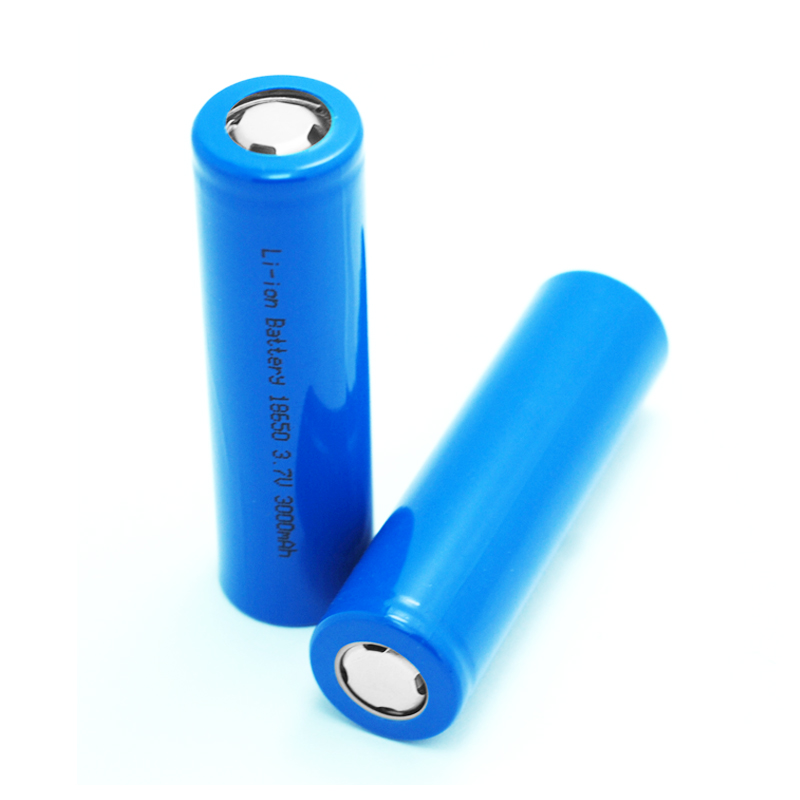
What Is the HS Code for 18650 Lithium-Ion Batteries?
📑⚠️ Abstract
The HS code for 18650 lithium-ion batteries determines how your shipment is classified, taxed, inspected, and sometimes delayed at customs. Although an 18650 Li-ion battery cell looks simple, its battery material, form factor, and usage affect HS classification in real-world trade. This page explains the correct HS codes for batteries 18650 rechargeable, how customs authorities interpret them, and what engineers and supply-chain teams should do to avoid misdeclaration risks.
🔋 The Short Answer (Used by Customs)
For most countries, 18650 lithium-ion battery cells are classified under:
👉 HS Code: 8507.60
Description: Lithium-ion accumulators
This applies to:
-
Loose 18650 Li-ion battery cells
-
Baterai 18650 sold as rechargeable cells
-
Cylindrical lithium-ion accumulators without electronics
📦 Why HS Code Accuracy Matters for 18650 Cells
HS classification impacts:
-
Import duties and VAT
-
Customs inspection rates
-
Dangerous goods documentation matching
-
Anti-dumping and compliance audits
Direct conclusion:
👉 A wrong HS code causes more delays than missing paperwork.
🧪 How 18650 Battery Material Affects Classification
Customs focuses on electrochemical function, not marketing language.
An 18650 battery material typically includes:
-
Lithium-based cathode
-
Organic electrolyte
-
Graphite anode
Because it is rechargeable and lithium-based, it falls under lithium-ion accumulators, not primary batteries.
🔌 Cells vs Packs vs Products (Critical Distinction)
🔋 Loose Cells (Most Common Case)
-
HS 8507.60
-
No enclosure
-
No BMS
Used for bulk trade of batteries 18650 rechargeable.
🔧 Battery Packs
May still use 8507.60, but:
-
Some countries require sub-classification
-
Pack voltage and application can trigger review
📱 Batteries Inside Equipment
Often classified under the equipment HS code, not 8507.60.
This is a frequent source of misdeclaration.
🌍 Country-Level HS Variations (Same Root Code)
While 8507.60 is global, countries add digits:
Examples:
-
EU CN codes
-
US HTS codes
-
ASEAN AHTN extensions
The base remains unchanged, but tariff rates and reporting fields differ.
🧠 Engineer’s Perspective: HS Code Starts at Design
Engineers influence classification by:
-
Defining whether the cell is shipped standalone
-
Deciding pack integration timing
-
Specifying chemistry clearly
Key insight:
👉 Customs classification begins at the BOM, not the border.
🛠️ Selection Advice for Trade & Sourcing Teams
When sourcing 18650 Li-ion battery cells:
-
Confirm supplier HS declaration consistency
-
Match HS code with UN38.3 and MSDS
-
Avoid vague product descriptions like “power cell”
Clarity reduces inspection probability.
❌ Common HS Code Mistakes with 18650 Batteries
-
Declaring under primary battery codes
-
Using equipment HS codes for loose cells
-
Mixing cells and packs under one line item
-
Ignoring country-specific suffixes
These errors often trigger customs holds.
❓ FAQ: HS Code for 18650 Batteries
Q: Is the HS code different for 18650 vs other lithium cells?
A: No. Size does not change classification.
Q: Does rechargeable status matter?
A: Yes. Rechargeable cells fall under accumulators.
Q: Are lithium iron phosphate 18650 cells different?
A: Chemistry differs, HS code does not.
Q: Can HS 8507.60 be used worldwide?
A: Yes, with country-specific extensions.
📣 CTA: Need Help Declaring 18650 Batteries Correctly?
We assist with HS code verification, customs documentation, and compliance alignment for global shipments of baterai 18650 and lithium-ion battery cells—reducing delays and clearance risk.
Related Articles
What Causes an 18650 Battery to Lose Capacity Quickly?
How do you safely dispose of damaged 18650 batteries?