What Is the Input Voltage for the 2S BMS?
Abstract
A 2S BMS (Battery Management System) is a critical component for safely managing a 2-cell 18650 lithium-ion pack. Understanding 18650 2S BMS, 18650 BMS, and 18650 BMS 2S specifications ensures safe operation, proper charging, and long battery life. This guide explains what the input voltage for the 2S BMS is, how engineers select the right BMS for their 18650 2S pack, common pitfalls, and practical usage tips for both DIY and industrial applications.
🔋 What Is a 2S BMS?
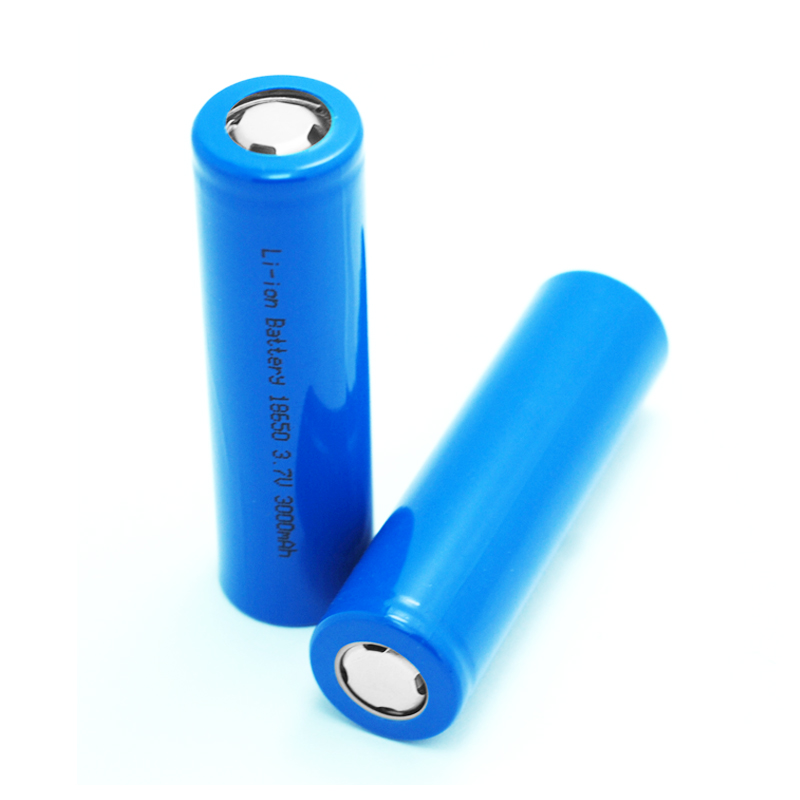
A 2S BMS is a protection and monitoring circuit designed for a series-connected pair of 18650 cells:
-
2S = 2 cells in series
-
Nominal voltage per cell: 3.6–3.7V
-
Pack nominal voltage: 7.2–7.4V
-
Fully charged pack voltage: 8.4V
📌 The BMS monitors each cell for overcharge, overdischarge, overcurrent, and temperature, ensuring safe operation.
⚡ What Is the Input Voltage for the 2S BMS?
The input voltage for a 2S BMS is directly tied to the cell configuration:
-
Nominal: 7.2–7.4V (2 × 3.6–3.7V)
-
Maximum charge voltage: 8.4V (2 × 4.2V fully charged)
-
Minimum safe voltage: ~5V (2 × 2.5V cutoff)
📌 Always choose a BMS rated slightly above your maximum voltage to allow safety margins.
🔌 How Does an 18650 BMS Work?
The 18650 BMS performs several critical functions:
-
✅ Cell balancing – ensures both cells maintain equal voltage
-
✅ Overcharge protection – stops charging above 4.2V/cell
-
✅ Overdischarge protection – prevents voltage dropping below 2.5V/cell
-
✅ Overcurrent protection – limits discharge current to prevent damage
-
✅ Short-circuit protection – prevents catastrophic failures
📌 A properly sized 18650 BMS 2S allows you to safely charge and discharge the pack without manual supervision.
🛠 Engineer’s Selection Advice for 18650 2S Packs
Step 1: Match Input Voltage
-
Verify your 2S pack voltage (nominal and max)
-
Choose a BMS rated slightly above 8.4V for safety
Step 2: Check Continuous Current Rating
-
Ensure BMS can handle the peak load of your device
-
For high-drain applications (power tools, e-bikes), select higher rated BMS
Step 3: Consider Balance Current
-
Low-cost BMS often have 50–100mA balance current
-
High-drain packs benefit from 200mA+ balancing
📌 Engineers rarely exceed the BMS voltage rating—doing so risks failure or fire.
🔍 Common Misconceptions About 2S BMS
❌ “Any 2S BMS fits any 7.4V pack”
→ Must match current and voltage specifications.
❌ “BMS balances cells instantly”
→ Balancing is slow; expect hours to fully equalize cells.
❌ “Higher voltage BMS charges faster”
→ Charging speed is determined by the charger, not the BMS.
❌ “Once a BMS is installed, cells never degrade”
→ BMS protects but does not prevent normal lithium-ion aging.
💡 Practical Tips for 18650 BMS 2S
-
Always measure pack voltage before connecting the BMS
-
Use thermal adhesive or spacing to prevent heat buildup
-
Test under load before full deployment
-
Avoid mixing old and new cells in a 2S pack
📌 Following these tips ensures long-term pack stability and safety.
❓ FAQ: 2S BMS for 18650 Batteries
Q: Can I use a 2S BMS for more than 2 cells?
A: No. Each BMS is designed for a specific series count. Using it on more cells risks damage.
Q: What happens if I overvoltage a 2S BMS?
A: Overvoltage can trigger overcharge protection or damage the BMS permanently.
Q: Does the BMS affect discharge voltage?
A: Yes, the BMS can limit output during overcurrent or overdischarge.
Q: Can I charge 18650 cells without a BMS?
A: Technically yes, but it’s unsafe. A BMS is strongly recommended for protection.
📣 CTA: Select the Right 18650 2S BMS
Choosing the correct 18650 BMS 2S protects your cells, extends life, and ensures safe operation. Our engineering team helps match BMS voltage, current rating, and balance parameters for DIY projects, e-bike packs, and industrial 18650 2S solutions.