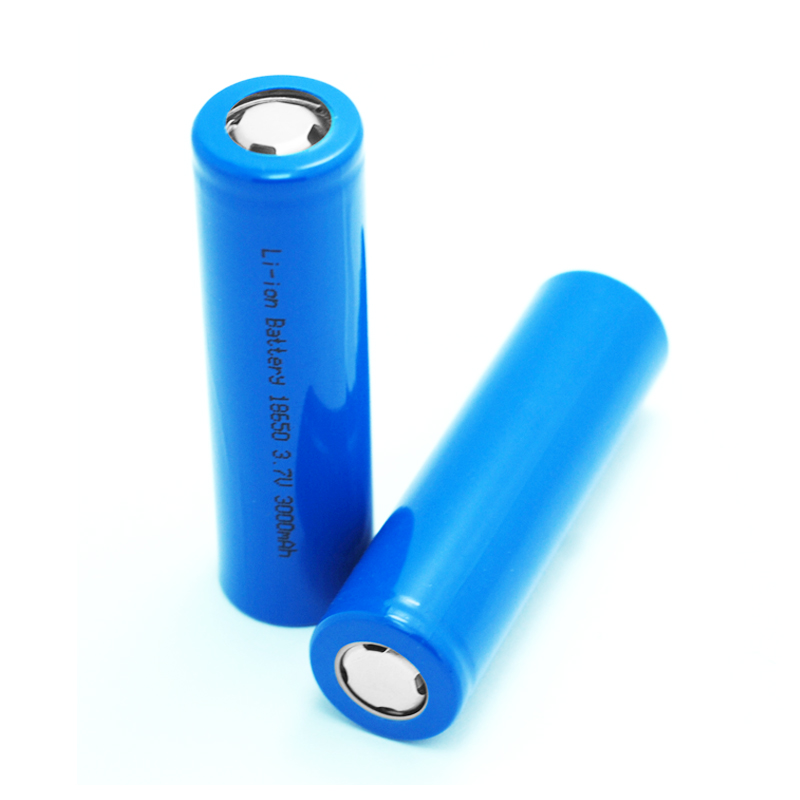
❓ What Makes a Good 18650 Battery Charger Safe, Accurate, and Worth Buying?
📌 Abstract
A good 18650 battery charger does more than refill a cell—it preserves cycle life, prevents lithium plating, and ensures safe termination at 4.20 V. Many chargers marketed as “fast” or “smart” fail basic electrical checks. This page explains how professionals evaluate a battery charger 18650, what defines a top rated 18650 battery charger, and when a 18650 battery charger 4 slot design actually makes sense.
🔌 What Is Considered a Good 18650 Battery Charger?
A good 18650 battery charger delivers controlled current, accurate voltage termination, and cell-level monitoring.
Minimum engineering requirements include:
-
CC/CV charging profile
-
±50 mV voltage accuracy at 4.20 V
-
Individual channel control
-
Reverse polarity and short-circuit protection
Direct conclusion:
Any charger that cannot regulate voltage precisely is shortening your battery’s life—even if it appears to work.
⚙️ Why Charging Accuracy Matters More Than Speed
High-speed charging is not inherently bad. Poor regulation is.
A top rated 18650 battery charger limits:
-
Charge current during high internal resistance states
-
Thermal rise during CV phase
-
Overvoltage beyond 4.25 V
Excess speed without monitoring accelerates:
-
Capacity fade
-
Internal resistance growth
-
Safety risk over long-term use
🔋 How Does a 18650 Battery Charger 4 Slot Design Perform?
A 18650 battery charger 4 slot is ideal only when each bay is electrically independent.
Proper 4-Slot Chargers Provide:
-
Per-slot current regulation
-
Mixed-capacity charging support
-
Uneven cell state compensation
Poor Designs:
-
Split current across bays
-
Terminate all slots simultaneously
-
Cause chronic under- or over-charging
Engineering reality:
Four slots only add value if the charger treats each battery as a separate system.
🔬 What Features Define a Top Rated 18650 Battery Charger?
Engineers look beyond marketing labels.
A top rated 18650 battery charger typically includes:
-
Independent CC/CV channels
-
Real-time voltage display (not LEDs only)
-
Temperature monitoring or conservative current curves
-
Support for flat-top and button-top cells
Optional—but valuable:
-
Storage charge mode (3.7–3.8 V)
-
Refresh or capacity test function
🧠 Engineer’s Selection Guide: Choosing the Right Charger
🔦 For Flashlight / Torch Users
-
0.5–1A per slot
-
Accurate voltage cutoff
-
Simple, stable operation
🚬 For High-Drain or Daily Use
-
Individual slot control
-
1A–2A selectable current
-
Thermal management priority
🧪 For Testing or OEM Work
-
Display-based charger
-
Capacity measurement
-
Strict voltage accuracy
Engineering rule:
Match charger current to cell capacity, not convenience.
⚠️ Common Mistakes Buyers Make
❌ Choosing chargers by slot count only
❌ Assuming “fast charge” means better
❌ Using USB-only low-regulation chargers
❌ Charging mixed old and new cells together
❌ Ignoring termination voltage accuracy
Industry truth:
Battery damage often begins at the charger, not during discharge.
❓ FAQ – Battery Charger 18650
Q1: What is a good charging current for 18650 batteries?
0.5C or lower is ideal for longevity. For most cells, that’s 0.8–1.5A.
Q2: Are 4-slot chargers safe?
Yes—if each slot is independently controlled.
Q3: Can one charger work for all 18650 batteries?
Only if it supports variable current and accurate voltage control.
Q4: Do expensive chargers always perform better?
No. Regulation quality matters more than price.
📞 CTA – Choose a Charger That Protects Your Batteries
If you need:
-
A reliable 18650 battery charger
-
Multi-slot chargers with real channel isolation
-
Accurate, safe charging for long-term use
-
OEM or bulk charging solutions
👉 Contact us to select a charger that meets real electrical standards.
Related Articles
Can 18650 batteries replace AA or AAA batteries?
Which 18650 battery brand is the most reliable?
What is the difference between INR, NMC, and NCA 18650 batteries?
Can I replace multiple 18650 cells with a single larger cell?