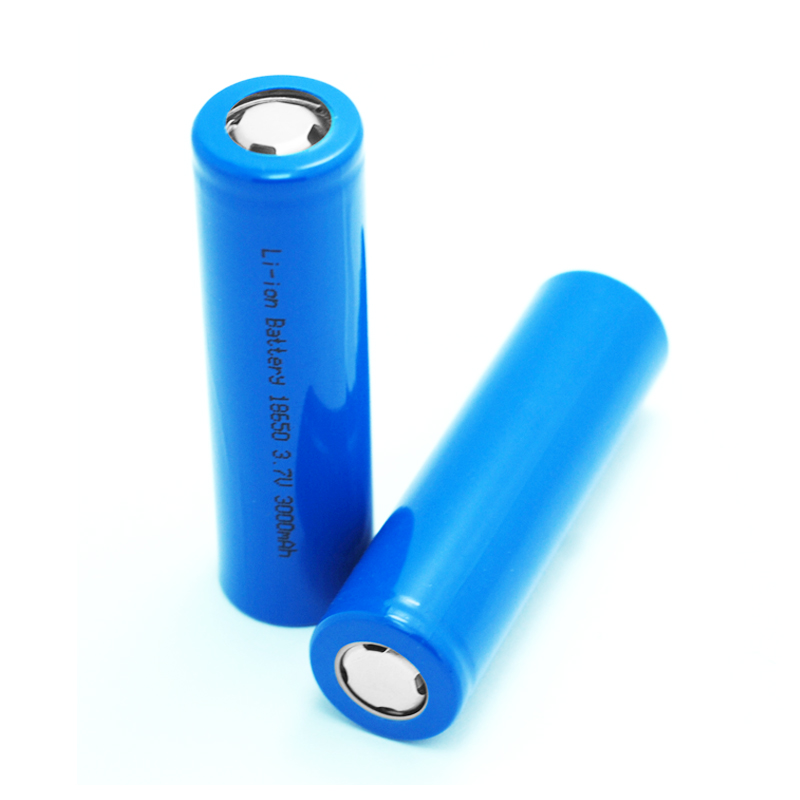
Will 18650 Batteries Be Phased Out in the Future?
🔋🌍 Abstract
The question of whether 18650 batteries will be phased out revolves around industry trends, energy density demands, and emerging chemistries. While 18650 batterie cells remain popular due to their reliability and 3.7 V rechargeable format, advances in li-ion 18650 batteries and alternative form factors (21700, pouch cells) suggest a gradual shift rather than abrupt obsolescence. This page explores the market trajectory, engineering considerations, and what manufacturers and consumers should expect.
⚖️ Current Status of 18650 Batteries
18650 rechargeable battery 3.7 V cells are still widely used in:
-
Laptops and power tools
-
E-bikes and small EV packs
-
DIY energy storage systems
Direct conclusion:
👉 18650 cells are not obsolete, but market pressure favors larger-format cells in high-energy applications.
📈 Industry Trends Driving Change
⚡ 21700 & Pouch Cells
-
21700 cells offer ~50% higher energy per cell
-
Pouch cells enable custom pack designs with better volumetric efficiency
-
EV manufacturers increasingly adopt larger formats for cost and range efficiency
🏭 Manufacturing Scale
-
Existing 18650 production lines continue to run profitably
-
Transition is gradual, driven by demand for higher capacity, not regulatory phase-out
🔬 Engineering Perspective
🔧 Advantages of 18650 for Engineers
-
Standardized size simplifies pack design
-
Proven 3.7 V rechargeable chemistry
-
Compatible with high-cycle applications
⚠️ Limitations
-
Lower energy density compared to 21700
-
Limited improvements in thermal management
-
Less attractive for next-generation EVs
Key insight:
👉 18650 cells will coexist with newer formats in niche and legacy applications for at least a decade.
🔋 Selection Advice
When choosing between 18650 and newer cells:
-
For DIY, backup power, and laptops: stick with 18650 rechargeable battery 3.7 V
-
For EVs and high-capacity energy storage: consider 21700 or pouch cells
-
Evaluate thermal management, cycle life, and availability
-
Prioritize li-ion 18650 batteries from reputable brands for reliability
❌ Common Misconceptions
-
“18650 batteries will disappear immediately” → False
-
“Newer formats are always better” → False for legacy systems
-
“All applications will migrate to 21700” → False; small devices still favor 18650
-
“3.7 V is outdated” → False; voltage standard remains compatible
❓ FAQ: Future of 18650 Batteries
Q: Are 18650 batteries being phased out worldwide?
A: Not yet; they remain common in legacy and niche applications.
Q: Will EVs stop using 18650 batteries?
A: Major EVs are moving toward 21700, but small packs may still use 18650.
Q: Are 18650 batteries compatible with future devices?
A: Yes, for DIY, laptops, power tools, and moderate energy storage.
Q: Should I stock 18650 batteries for projects?
A: Yes, they will remain widely available for at least 5–10 years.
📣 CTA: Optimize Your Battery Strategy
We provide guidance on 18650 and next-generation battery selection, helping engineers and manufacturers balance legacy compatibility, cost, and long-term scalability for projects using li-ion 18650 batteries.
Related Articles
What BMS Is Required for an 18650 Battery Pack?
Is spot welding or soldering better for 18650 batteries?
What BMS Is Required for an 18650 Battery Pack?
How Many 18650 Cells Are Needed to Build a 12V Battery Pack?