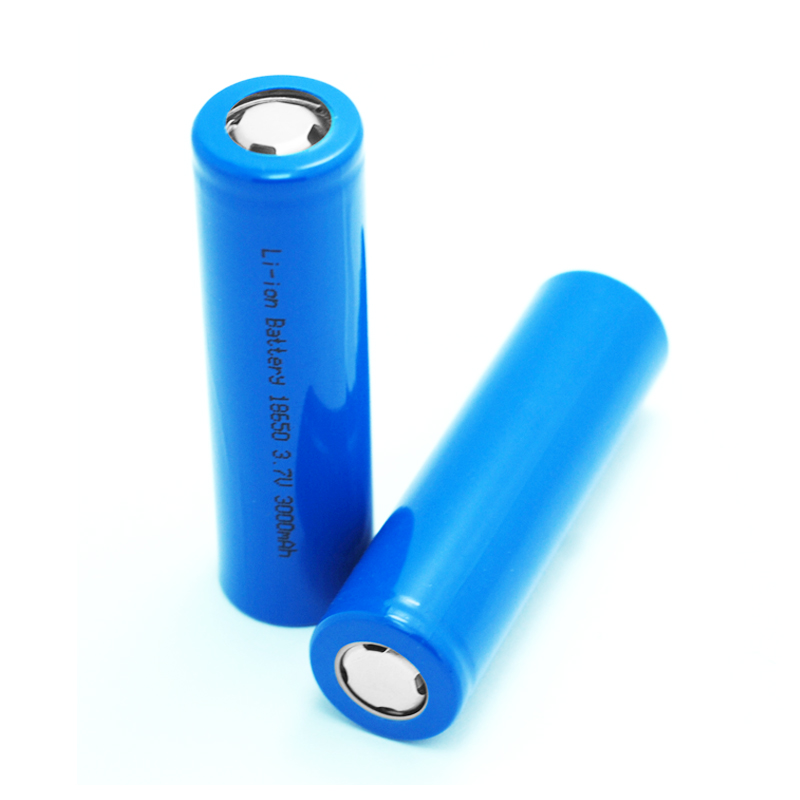
What Is High Drain 18650 Battery
🔋 Abstract
A high drain 18650 battery is a specialized lithium-ion cell designed to deliver high current without excessive heat or voltage sag. Popular in power tools, vape mods, flashlights, and robotics, these 3.7V Li-ion 18650 cells differ from standard 18650s in internal resistance, chemistry, and thermal stability. Understanding what is 18650, battery type 18650, and the characteristics that define “high drain” is essential for engineers and hobbyists selecting safe, efficient power solutions.
⚡ What Is 18650?
An 18650 battery is a cylindrical lithium-ion cell measuring 18 mm × 65 mm. Typical specifications include:
-
Nominal voltage: 3.6–3.7V
-
Full charge voltage: 4.2V
-
Capacity: 1800–3600 mAh
-
Applications: laptops, flashlights, vape devices, power tools, battery packs
🔧 Direct conclusion: While many users think of 18650 as a generic cell, the internal chemistry and discharge capability define its suitability for specific devices.
⚡ Understanding High Drain 18650 Batteries
🔋 Definition
A high drain 18650 battery is engineered for continuous high current output, often in the range of 10–35A, without significant voltage drop or overheating. These cells are typically IMR, INR, or hybrid chemistries optimized for:
-
Low internal resistance
-
Rapid discharge
-
Thermal stability under load
⚠️ Standard high-capacity ICR cells may fail or heat excessively under similar loads.
🏭 Applications
-
Vape Mods: Continuous high amperage for coils
-
Flashlights: Maximum brightness modes
-
Power Tools: Torque-intensive devices
-
Robotics / Drones: Quick bursts of power
🔧 Direct conclusion: High drain 18650s are load-specific; using a low-drain cell in a high-drain device is unsafe.
⚡ Battery Type 18650 – Key Differences
| Feature | Standard 18650 | High Drain 18650 |
|---|---|---|
| Chemistry | ICR/NMC | IMR/INR |
| Continuous current | 2–5A | 10–35A |
| Voltage stability | Moderate | High under load |
| Thermal behavior | Heats quickly | Controlled heat |
| Typical applications | Laptops, small devices | Vapes, tools, flashlights |
💡 Engineers emphasize current capability over capacity for high drain applications.
🔧 3.7V Li-Ion 18650 – Engineering Considerations
-
Nominal Voltage: 3.7V, peak 4.2V per cell
-
Internal Resistance: Must be low (<30 mΩ typical) to sustain high current
-
Cycle Life: High drain may reduce cycles if consistently loaded near maximum rating
-
Protection: Some cells include PCB; unprotected cells require BMS or device protection
🔧 Direct conclusion: Always match high drain 18650 batteries with devices designed to handle their voltage and current profile.
❌ Common Misconceptions
-
❌ All 18650 batteries are interchangeable – internal resistance and chemistry differ
-
❌ High capacity = high drain – often opposite; high drain cells trade capacity for current
-
❌ Protection circuitry is optional – unprotected high drain cells can damage devices or overheat
-
❌ Any 3.7V cell works – device load profile dictates battery choice
🧠 Engineer’s Selection Advice
-
Match continuous current rating to device requirements
-
Choose chemistry (IMR, INR) optimized for thermal stability
-
Avoid mixed batches – identical cells prevent voltage imbalance in series/parallel packs
-
Consider protected vs unprotected – unprotected cells only for devices with built-in BMS
❓ FAQ
❓ What is 18650 battery what is?
An 18650 is a cylindrical lithium-ion cell (18×65 mm) used across consumer and industrial electronics.
❓ What makes a high drain 18650 battery different?
It delivers higher continuous current (10–35A) with low voltage sag and better thermal stability compared to standard cells.
❓ Can I use a high drain 18650 in a regular device?
Yes, but unnecessary high-drain cells may reduce runtime and are costlier; match to device requirements.
❓ Are high drain 18650 batteries safe?
Yes, if used within specified current limits and charged with proper chargers.
📢 CTA – Need the Right High Drain 18650 Battery?
Selecting the wrong 18650 battery type risks device failure or safety hazards.
👉 Contact our battery specialists to find high drain 18650 cells suited for your application, load, and cycle life requirements.
Related Articles
18650 Battery mAh Difference: How Many mAh Is a Real 18650 Cell?
Can You Charge 18650 Batteries With USB?
Can I Use a 21700 Battery Instead of 18650?
Are All 18650 Batteries Rechargeable?
How to Rewrap a 18650 Battery?