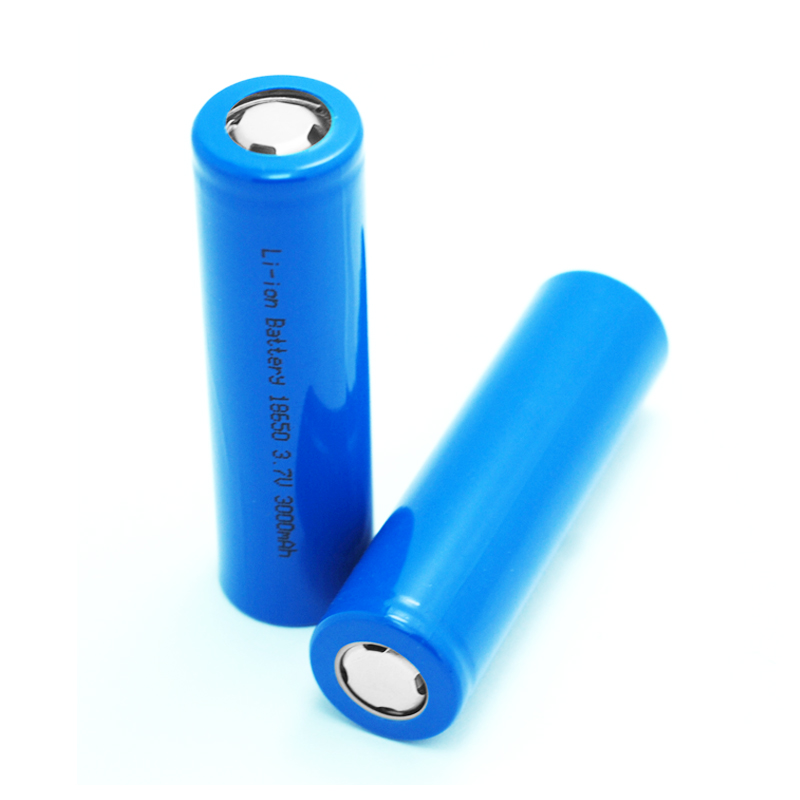
How to Rewrap a 18650 Battery
🔋 Abstract
Rewrapping an 18650 battery is not cosmetic—it is a critical safety procedure. A damaged PVC sleeve exposes the metal can, increasing the risk of short circuits, thermal runaway, and device failure. This guide explains how to rewrap a 18650 battery correctly, when rewrapping 18650 cells is appropriate, how to identify unsafe rewrapped 18650 cells on the market, and what engineers look for when approving an 18650 battery rewrap for continued use. You’ll also find step-by-step methodology, common mistakes, FAQs, and professional selection advice grounded in real battery pack practice.
⚠️ Why Rewrapping a 18650 Battery Matters
The outer wrap of an 18650 is electrical insulation, not decoration.
Under the wrap:
-
The entire metal can is negative (−)
-
The positive terminal is isolated by a thin insulator ring
If the wrap is torn:
-
The cell can short against a device tube
-
The risk of arc discharge increases
-
Protection circuits may not react fast enough
🔧 Direct conclusion: A torn wrap = unsafe cell, regardless of capacity or brand.
🔍 What Does “Rewrapped 18650” Mean?
The term rewrapped 18650 has two very different meanings:
✅ Legitimate rewrapping (end-user or technician)
-
Original cell, damaged sleeve replaced
-
Electrical specs unchanged
-
Common in flashlights, labs, and repair shops
❌ Commercial rewrapped cells (market risk)
-
Unknown OEM cells re-labeled
-
Inflated capacity claims
-
Discharge ratings often false
⚠️ Industry rule: Trust rewrapping you do yourself—not anonymous factory rewraps.
🧰 Tools Required for 18650 Battery Rewrap
You only need a few items, but precision matters:
-
🔹 Heat-shrink PVC sleeve (18650 size, pre-cut or roll)
-
🔹 Insulator ring (paper or plastic)
-
🔹 Heat gun or controlled hot air source
-
🔹 Non-metal tweezers
-
🔹 Heat-resistant surface
❌ Never use a lighter or open flame.
🛠️ Step-by-Step: How to Rewrap a 18650 Battery
1️⃣ Inspect the Cell
Check for:
-
dents
-
corrosion
-
leakage
-
swelling
If present → do not rewrap, recycle immediately.
2️⃣ Remove the Old Wrap
Carefully cut the sleeve:
-
start at the negative end
-
avoid scratching the metal can
Never cut near the positive terminal.
3️⃣ Check the Insulator Ring
The small ring around the positive terminal:
-
must be intact
-
must sit flat
Replace it if deformed or missing.
🔧 This ring prevents direct shorting.
4️⃣ Install the New Wrap
-
Center the cell in the new sleeve
-
Leave equal overhang top and bottom
-
Insert the insulator ring at the positive end
5️⃣ Apply Heat Evenly
Use a heat gun at low airflow:
-
rotate the cell continuously
-
shrink from the center outward
-
avoid overheating the top cap
The wrap should be tight, smooth, and wrinkle-free.
🔥 Engineering Safety Notes During Rewrapping
-
Cell temperature should stay below 60°C
-
Never compress the cell during heating
-
Avoid static discharge in dry environments
🔧 Direct conclusion: If the cell gets too hot to touch, stop immediately.
🧠 Engineer’s Selection Advice
When Rewrapping Makes Sense
-
Minor wrap tears
-
Edge damage near the negative can
-
Lab or flashlight use
When Rewrapping Is NOT Acceptable
-
Cells used in EV packs
-
Cells with dented cans
-
Cells with unknown internal resistance
-
Cells showing abnormal self-discharge
🔋 Professional rule: Rewrapping restores insulation—not internal integrity.
❌ Common Mistakes When Rewrapping 18650
-
❌ Forgetting the insulator ring
-
❌ Using wrong-size shrink wrap
-
❌ Overheating the positive terminal
-
❌ Rewrapping counterfeit or unknown cells
-
❌ Assuming rewrapping “fixes” old batteries
🧪 Performance After Rewrapping
Rewrapping does not:
-
increase capacity
-
improve discharge rate
-
reset cycle life
But it does:
-
restore electrical insulation
-
prevent accidental shorts
-
extend safe usability
❓ FAQ
❓ Is a rewrapped 18650 battery safe?
Yes—if the cell is healthy and the rewrap is done correctly with an intact insulator ring.
❓ How many times can I rewrap an 18650?
There is no fixed limit, but repeated rewrapping usually signals a cell nearing end of life.
❓ Are commercially rewrapped 18650 batteries trustworthy?
Often no. Many hide low-grade or recycled cells under new branding.
❓ Can I rewrap protected 18650 batteries?
Yes, but extra care is required due to the PCB and increased length.
📢 CTA – Need Safe 18650 Cells or Rewrap Materials?
If you’re sourcing authentic 18650 cells, rewrap sleeves, or need guidance on safe reuse policies, our battery engineers can help.
👉 Contact us for verified cells, accessories, and technical support.
Related Articles
Does Tesla Use 18650 Batteries?
How Long to Charge 18650 Battery?
Why Is the Molicel P28A 18650 Battery 2800mAh 35A Ideal for High-Drain Devices?
What Are the Best 18650 Batteries for Flashlight?
What Is a Flat Top 18650 Battery?
What Are 18650 Batteries Made Of?